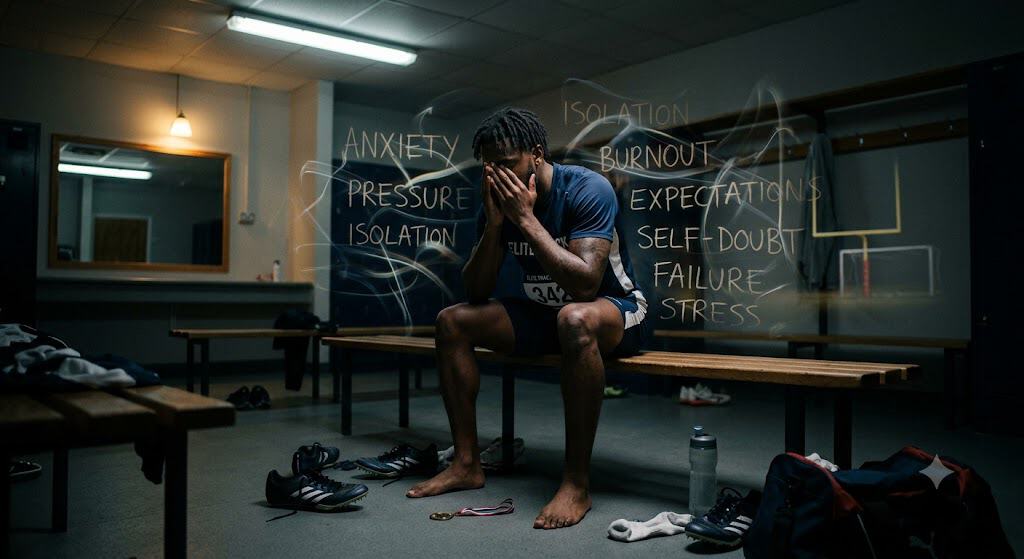
The Mind Behind the Athlete: Understanding the Mental Health Challenges Hidden Behind Success

Success in sports is often measured by wins, records, championships, and physical accomplishments. Athletes dedicate years to building strength, refining their skills, and achieving peak performance. While these achievements are celebrated, the emotional challenges that often accompany them receive far less attention. Behind every successful athlete is a person navigating pressure, expectations, setbacks, and personal struggles that are not always visible. Mental health is just as important as physical fitness, and recognizing its role is essential for helping athletes achieve lasting well-being, prevent substance misuse, and build healthier lives both on and off the field.

The Hidden Mental Health Challenges Athletes Face

Athletes are frequently viewed as mentally tough individuals who can overcome any obstacle. Although resilience is an important part of sports, it does not make someone immune to anxiety, depression, trauma, burnout, or emotional distress.

The constant pursuit of excellence can create significant psychological pressure. Whether an athlete competes professionally, in college, or at the amateur level, emotional health deserves the same level of care as physical conditioning.

The Weight of High Expectations

Athletes often face pressure from multiple directions. Coaches expect results, teammates rely on consistent performance, families offer encouragement that may unintentionally create added stress, and fans closely watch every success and setback.

Many athletes also place enormous expectations on themselves. They may believe that mistakes are unacceptable or that their value depends entirely on performance. Over time, this mindset can contribute to chronic stress, self-doubt, and emotional exhaustion.

The Emotional Impact of Injury and Career Changes

An injury affects more than physical health. It can disrupt an athlete’s confidence, daily routine, and sense of identity. Recovery periods may create feelings of frustration, loneliness, or fear about returning to competition.

Similarly, retirement, reduced playing time, or unexpected career changes can leave athletes questioning their purpose. Without proper emotional support, these life transitions can increase the risk of depression, anxiety, or unhealthy coping behaviors.

The Relationship Between Mental Health and Addiction

Mental health struggles and substance use disorders often develop together. Athletes experiencing overwhelming stress or emotional pain may turn to alcohol, prescription medications, or other substances in an attempt to manage difficult feelings.

Although these substances may provide temporary relief, they do not address the underlying causes of emotional distress. Instead, they can create additional physical, emotional, and psychological challenges.

Why Athletes May Be Vulnerable

Athletes often have access to prescription pain medication after injuries. Others may use alcohol to unwind after competitions or cope with ongoing performance anxiety. In highly competitive environments, asking for help may feel uncomfortable, causing emotional struggles to remain hidden.

These factors can increase the likelihood of substance misuse if mental health concerns are left untreated.

Treating the Whole Person

Long term recovery requires more than addressing addiction alone. Effective treatment also focuses on anxiety, depression, trauma, stress, and other emotional concerns that may contribute to substance use.

An integrated approach gives athletes the opportunity to heal physically, emotionally, and mentally while building healthier ways to respond to life’s challenges.

The Value of Holistic and Individualized Care

Every athlete has a unique story. Their experiences, goals, and personal struggles are different, which is why personalized treatment is essential.

A holistic approach recognizes that recovery involves much more than managing symptoms. It focuses on restoring balance in every area of life.

Inpatient and Outpatient Treatment Options

Some individuals benefit from inpatient treatment, where they can step away from outside pressures and focus entirely on healing in a structured environment.

Others may find outpatient care to be the best fit. This option allows athletes to receive therapy, counseling, and addiction recovery services while continuing with work, school, family responsibilities, or training.

Both levels of care provide compassionate support based on each person’s individual needs.

Faith Based Support and Emotional Healing

For many people, faith offers hope, comfort, and strength during recovery. A faith based approach can complement evidence-based mental health treatment by helping individuals reconnect with their values and develop a stronger sense of purpose.

When combined with individualized care, spiritual support can become a meaningful part of long term healing.

Building Emotional Strength Alongside Physical Strength

Mental wellness should be developed with the same commitment athletes bring to physical training. Strengthening emotional resilience improves performance, relationships, and overall quality of life.

Healthy Habits That Support Mental Wellness

Athletes can improve emotional health by making intentional choices each day, including:

Prioritize Rest and Recovery

Adequate sleep and recovery allow both the body and mind to function at their best.

Practice Healthy Stress Management

Mindfulness, prayer, journaling, exercise, and relaxation techniques can help athletes respond to pressure in healthier ways.

Stay Connected

Open conversations with trusted family members, coaches, teammates, or mental health professionals reduce isolation and encourage early intervention.

Seek Professional Support

There is no shame in asking for help. Working with experienced mental health professionals can provide valuable tools for managing emotional challenges before they become overwhelming.

Conclusion: True Success Begins with Mental Wellness

Athletic achievements are worth celebrating, but they should never come at the expense of emotional health. Behind every successful athlete is a person who deserves compassion, understanding, and support. By recognizing the connection between mental health, addiction recovery, and overall well-being, athletes can build stronger foundations for lasting success.

If you or someone you love is struggling with anxiety, depression, emotional distress, or substance use, professional help is available. Through compassionate, individualized, and holistic care that may include inpatient or outpatient treatment and faith based support, healing is possible. Taking the first step today can lead to renewed hope, healthier coping skills, and a brighter future both in sports and beyond.

Beyond Physical Performance: Why Athlete Mental Health Deserves Equal Attention

Athletes spend countless hours training their bodies to perform at the highest level. They focus on strength, endurance, recovery, and physical conditioning because they understand that preparation impacts results. However, one critical part of athletic success is often overlooked: mental health. Behind every achievement, competition, and victory is an athlete who also needs emotional support, resilience, and a healthy mindset. Athlete mental health deserves the same attention as physical performance because the mind plays a powerful role in confidence, recovery, decision-making, and overall well-being.
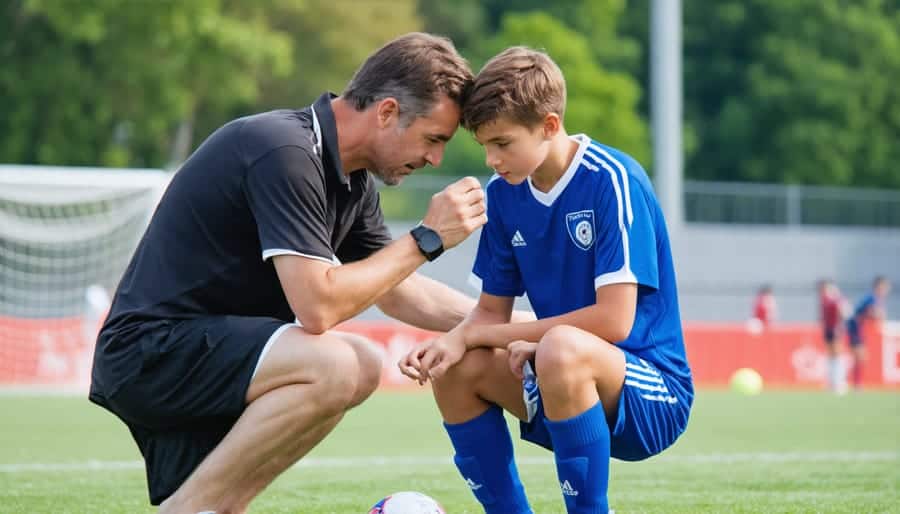
The Overlooked Mental Side of Athletic Success

Sports culture often celebrates toughness and the ability to push through challenges. While determination is an important quality, the expectation to always appear strong can make it difficult for athletes to acknowledge emotional struggles.

Mental health challenges can affect athletes at every level. Professional competitors, college athletes, and young players may experience anxiety, depression, stress, burnout, or feelings of isolation. These challenges are not signs of weakness. They are human experiences that deserve understanding and support.

The Pressure to Perform at All Times

Athletes often face intense expectations from coaches, teammates, families, fans, and themselves. The desire to succeed can create motivation, but constant pressure can also become overwhelming.

When athletes feel they must always perform perfectly, they may hide stress or emotional struggles. Over time, this can lead to exhaustion, loss of confidence, and difficulty enjoying the sport they once loved.

Injuries and Emotional Challenges

Physical injuries are common in sports, but the emotional impact of those injuries is often ignored. Being unable to compete can affect an athlete’s identity, confidence, and sense of purpose.

Many athletes experience frustration, fear, or uncertainty during recovery. Without proper mental health support, these emotions can become more difficult to manage and may contribute to unhealthy coping behaviors.

The Connection Between Athlete Mental Health and Addiction Recovery

Mental health and addiction recovery are closely connected. Athletes experiencing ongoing stress, emotional pain, or performance pressure may turn to substances as a way to cope.

Alcohol, prescription medications, or other substances may seem like temporary solutions, but they often create additional challenges over time. Substance use can interfere with relationships, performance, physical health, and emotional stability.

Addressing the Root Causes of Struggles

Successful recovery requires more than focusing only on substance use. It is important to understand the emotional factors behind unhealthy behaviors.

A comprehensive approach to treatment helps individuals identify triggers, develop healthier coping skills, and build resilience. Addressing mental health concerns alongside addiction creates a stronger foundation for long-term recovery.

Why Holistic Mental Health Treatment Matters for Athletes

Athletes are more than their performance. They are individuals with personal experiences, emotions, relationships, and goals. A holistic approach recognizes the importance of caring for the whole person.

Mental health treatment that considers emotional, physical, and spiritual well-being can help athletes create balance and stability.

Inpatient and Outpatient Care Options

Different athletes need different levels of support. Inpatient treatment provides a structured and supportive environment where individuals can step away from daily stressors and focus on healing.

Outpatient care allows athletes to continue managing responsibilities while receiving professional guidance and treatment. This flexible approach can support individuals who need ongoing mental health or addiction recovery services while maintaining their daily routines.

Individualized and Faith Based Approaches

Every athlete’s journey is unique. Individualized treatment plans allow care to address personal challenges, experiences, and recovery goals.

For those who value spirituality, faith based support can provide additional encouragement, purpose, and emotional strength. Combined with professional mental health care, this approach can help individuals develop deeper resilience and hope.

Building Stronger Athletes Through Mental Health Support

Prioritizing mental health does not take away from athletic performance. In many cases, it strengthens it. Athletes who develop emotional awareness and healthy coping skills are better prepared to handle pressure, setbacks, and challenges.

Practical Ways Athletes Can Support Mental Wellness

Athletes can improve mental health by creating habits that support emotional balance, including:

  • Maintaining open communication with trusted people
  • Practicing stress management techniques
  • Prioritizing proper rest and recovery
  • Seeking professional support when needed
  • Building a strong support network

Mental wellness should be treated as part of training, not as something separate from it.

Conclusion: True Strength Includes Mental Health

Physical performance will always be an important part of sports, but it is only one piece of the picture. The strongest athletes are not just those who train their bodies. They are those who also care for their minds and emotional well-being.

When athlete mental health receives equal attention, individuals are better equipped to manage pressure, recover from challenges, and build lasting success both in sports and in life.

If you or someone you care about is facing mental health struggles, addiction concerns, or emotional challenges, seeking support is a meaningful step forward. With compassionate, individualized, and holistic care, athletes can find healing, restore balance, and develop strength beyond physical performance.

Training the Mind Too: The Growing Need for Mental Health Support in Sports

Athletes are trained to strengthen their bodies, sharpen their skills, and push through physical limits. But one of the most important parts of athletic performance is still often overlooked: mental health. As the pressure in competitive sports continues to grow, so does the need for emotional support, psychological resilience, and accessible mental health care. Training the body alone is no longer enough. Athletes also need support for the mind in order to perform well, recover properly, and maintain long-term well-being.

Why Mental Health Matters in Athletic Performance

Mental health is directly connected to how athletes think, feel, and perform under pressure. Focus, confidence, motivation, and decision-making are all influenced by emotional wellness. When mental health is strong, athletes are more likely to stay consistent, recover from setbacks, and perform at their best even in high-pressure situations.

However, when mental health begins to decline, performance is often affected in subtle but important ways. Sleep becomes disrupted, concentration weakens, and stress becomes harder to manage. Over time, these challenges can impact both athletic success and personal life.

Pressure, Expectations, and Emotional Strain

Athletes face constant expectations from coaches, teammates, fans, and sometimes even their own families. On top of that, many athletes place extreme pressure on themselves to perform perfectly.

This ongoing pressure can lead to anxiety, burnout, and emotional exhaustion. Many athletes feel they cannot speak openly about these struggles because they fear being judged or seen as weak. As a result, emotional distress often goes unaddressed until it becomes more serious.

Identity and Life Beyond Sport

For many athletes, their identity becomes closely tied to their performance. When injuries happen, seasons end, or careers shift unexpectedly, it can create a sense of loss or uncertainty.

This identity disruption can lead to depression, anxiety, or difficulty adjusting to life outside of sport. Without proper mental health support, athletes may struggle to rebuild confidence and purpose beyond competition.

The Connection Between Mental Health and Addiction in Sports

Mental health challenges and substance use often develop together. Athletes dealing with emotional stress, chronic pain, or performance pressure may turn to alcohol or drugs as a coping mechanism.

While this may provide temporary relief, it does not address the root issue and can quickly lead to dependency or addiction.

Self-Medication and Hidden Struggles

In sports culture, athletes are often expected to “push through” pain and emotion. This mindset can make it harder to recognize when coping strategies become unhealthy.

Pain medication misuse, alcohol use for stress relief, or stimulants for performance are all examples of how substance use can develop in athletic environments. Over time, these patterns can affect both mental health and physical performance.

Why Integrated Treatment Is Essential

True recovery requires more than addressing substance use alone. Mental health challenges must also be treated in order to create lasting change.

Integrated treatment focuses on both emotional wellness and addiction recovery at the same time. This approach helps athletes understand their triggers, develop healthier coping skills, and build emotional resilience that supports long-term stability.

Holistic and Individualized Care for Athletes

At Team Stoeckli, recovery is not treated as a one-size-fits-all process. Instead, care is built around the whole person, including emotional, physical, and spiritual needs.

Inpatient and Outpatient Support Options

Different athletes require different levels of care depending on their situation. Inpatient treatment offers a structured environment where individuals can step away from daily pressures and focus entirely on healing.

Outpatient care provides flexibility while still offering consistent therapeutic support. This allows athletes to continue working, studying, or transitioning through life while receiving professional mental health care and addiction recovery support.

Faith Based and Personalized Healing

For many individuals, faith plays an important role in recovery and emotional strength. Faith based support can offer hope, meaning, and grounding during difficult times.

When combined with clinical mental health treatment and addiction recovery services, this approach helps create a more complete healing experience. Individualized treatment ensures that care is tailored to each athlete’s unique history, challenges, and goals.

Practical Ways to Support Mental Health in Sports

Mental health support in athletics is not only about treatment. It also involves prevention, awareness, and daily habits that promote emotional wellness.

Creating Space for Mental Health Conversations

One of the most important steps is normalizing conversations about emotional health. When athletes feel safe discussing stress or anxiety, they are more likely to seek help early.

Building Healthy Coping Skills

Mindfulness, rest, structured routines, therapy, and open communication are all important tools. These strategies help athletes manage pressure in healthier ways and reduce reliance on harmful coping mechanisms.

Strong Support Systems Matter

Coaches, teammates, family members, and mental health professionals all play a role in supporting athletes. A strong support system helps reduce isolation and encourages long-term emotional stability.

Conclusion: Training the Mind Is Just as Important as Training the Body

The growing demand in sports is not only physical. It is emotional and psychological as well. Athletes today need more than strength and conditioning. They need mental health support that helps them manage pressure, recover from setbacks, and build sustainable well-being.

When mental health is prioritized, athletes perform better, recover faster, and experience more balance in their lives. When it is ignored, the risks can include burnout, anxiety, and substance use challenges.

If you or someone you care about is struggling with mental health concerns or addiction, support is available. With compassionate, individualized, and holistic care, healing is possible and long-term recovery can begin.

The Overlooked Side of Sports: Why Emotional Wellness Matters for Athletes

Athletes are often praised for their physical strength, determination, and ability to overcome obstacles. From rigorous training schedules to high-pressure competitions, sports culture frequently emphasizes physical performance above all else. Yet beneath the surface, many athletes face emotional and mental health challenges that receive far less attention. Stress, anxiety, depression, burnout, and substance use issues can affect athletes at every level. Recognizing the importance of emotional wellness is not only essential for athletic performance but also for long-term health, recovery, and quality of life.

Why Emotional Wellness Is Essential for Athletic Success

Physical conditioning is a critical part of sports, but mental and emotional well-being are equally important. An athlete’s ability to focus, manage pressure, recover from setbacks, and maintain motivation often depends on their emotional health.

When emotional wellness is neglected, even the most talented athletes can struggle. Mental fatigue can impact decision-making, confidence, and consistency. Over time, unresolved emotional challenges may lead to more serious concerns that affect both personal and professional life.

The Constant Pressure to Perform

Athletes often live under intense scrutiny. Whether competing professionally, collegiately, or recreationally, there is often pressure to perform at a high level. Expectations from coaches, teammates, family members, sponsors, and fans can create significant emotional strain.

Many athletes feel compelled to hide their struggles because they fear being perceived as weak. Unfortunately, suppressing emotional concerns often makes them more difficult to manage over time.

Injuries Can Affect More Than the Body

Physical injuries are a common part of sports, but their emotional impact is frequently underestimated. An injury can interrupt training, delay goals, and create uncertainty about the future. Athletes may experience frustration, anxiety, sadness, or a loss of identity when they are unable to compete.

Without adequate emotional support, these feelings can contribute to depression, isolation, and unhealthy coping behaviors.

The Connection Between Mental Health and Substance Use

Mental health challenges and substance use disorders often occur together. Athletes experiencing emotional distress may turn to alcohol, prescription medications, or other substances in an attempt to manage stress, physical pain, or difficult emotions.

While these substances may provide temporary relief, they often create additional problems and can lead to dependency. This is why addressing emotional wellness is a vital component of addiction prevention and recovery.

Understanding Co-Occurring Disorders

Many individuals struggling with addiction also experience anxiety, depression, trauma, or other mental health conditions. These are known as co-occurring disorders. Effective treatment requires addressing both issues simultaneously rather than treating them separately.

When underlying emotional challenges remain unresolved, the risk of relapse often increases. Comprehensive care helps individuals build healthier coping skills and develop long-term resilience.

The Benefits of Holistic and Individualized Care

Recovery and emotional healing are not one-size-fits-all processes. Every athlete has unique experiences, challenges, and goals. A personalized treatment approach helps ensure that care addresses the specific factors contributing to emotional distress or substance use.

Treating the Whole Person

Holistic care recognizes the connection between mind, body, and spirit. Rather than focusing solely on symptoms, holistic treatment addresses the broader aspects of wellness that contribute to lasting recovery.

This may include individual therapy, group counseling, stress management techniques, wellness practices, spiritual support, and lifestyle changes that promote long-term emotional stability.

Inpatient and Outpatient Treatment Options

Different individuals require different levels of support. Inpatient treatment provides a structured environment where individuals can focus entirely on recovery without outside distractions. This level of care can be especially beneficial for those facing severe mental health or substance use challenges.

Outpatient treatment offers flexibility while still providing access to professional support and therapeutic services. This option allows individuals to continue meeting personal, educational, or professional responsibilities while receiving treatment.

Building Emotional Strength in Sports

Emotional wellness is not about eliminating stress or avoiding challenges. Instead, it involves developing healthy ways to navigate adversity and maintain balance.

Practical Strategies for Athletes

Athletes can support their emotional well-being through several healthy practices:

  • Prioritizing adequate rest and recovery
  • Practicing mindfulness and stress management techniques
  • Maintaining open communication with trusted individuals
  • Seeking professional mental health support when needed
  • Building strong support networks
  • Developing healthy coping skills for managing pressure

These strategies can help athletes improve resilience, enhance performance, and protect long-term mental health.

Breaking the Stigma Around Mental Health

One of the greatest barriers to seeking help remains stigma. Many athletes have been taught to push through discomfort and avoid showing vulnerability. However, acknowledging emotional struggles is not a sign of weakness. It is a sign of courage and self-awareness.

The sports community continues to make progress in normalizing conversations about mental health. As more athletes speak openly about their experiences, others may feel empowered to seek the support they need.

Conclusion: True Strength Includes Emotional Wellness

The overlooked side of sports is often the most important. Emotional wellness influences performance, recovery, relationships, and overall quality of life. Athletes who prioritize mental health are better equipped to handle pressure, overcome setbacks, and achieve sustainable success.

If you or someone you love is struggling with mental health challenges, addiction, or emotional distress, professional support can make a meaningful difference. Through compassionate, individualized, and holistic care, healing is possible. Taking the first step toward support today can lead to a healthier, stronger future both on and off the field.