
Beyond Peak Performance: Helping Athletes Prioritize Mental Health and Emotional Recovery

Every athlete dreams of reaching peak performance. Hours of training, disciplined nutrition, and relentless determination are all part of pursuing excellence. However, true success extends beyond physical conditioning and athletic achievement. Emotional health is equally important, yet it is often overlooked in competitive sports. Many athletes silently struggle with anxiety, depression, burnout, trauma, or substance use while continuing to perform at an elite level. Without proper support, these challenges can affect not only athletic performance but also long term health and quality of life. Prioritizing mental health and emotional recovery allows athletes to build resilience, strengthen relationships, and create a healthier future both during and after their athletic careers.

Mental Health Is the Foundation of Lasting Success

Physical conditioning prepares athletes for competition, but mental health prepares them for everything that comes with it. Confidence, emotional resilience, focus, and healthy decision making all depend on psychological well-being.

When emotional health is neglected, athletes may find it difficult to manage pressure, recover from setbacks, or maintain motivation. Addressing mental health is not about reducing competitive drive. It is about giving athletes the tools they need to thrive in every area of life.

The Demands of Competitive Sports

Athletes often live under constant expectations. Coaches expect consistent improvement. Teammates rely on one another to perform. Families offer encouragement while hoping to see success. Public attention and social media add another level of pressure that can become emotionally exhausting.

Many athletes learn to hide their struggles because they believe vulnerability will be seen as weakness. Unfortunately, remaining silent often allows emotional challenges to grow until they interfere with both personal and professional lives.

Burnout Is More Common Than Many Realize

Training without adequate emotional recovery can eventually lead to burnout.

Burnout often develops gradually. Athletes may lose motivation, feel emotionally drained, struggle to concentrate, or no longer enjoy the sport they once loved. Ignoring these warning signs can increase the risk of anxiety, depression, and unhealthy coping behaviors.

Recognizing burnout early allows athletes to restore balance before emotional exhaustion becomes overwhelming.

The Connection Between Emotional Health and Addiction

Athletes face unique challenges that can increase their vulnerability to substance misuse. Emotional distress, physical injuries, and constant pressure sometimes lead individuals to seek temporary relief through alcohol, prescription medications, or other substances.

While these behaviors may appear to reduce stress in the short term, they often create additional emotional and physical complications that require professional care.

Risk Factors That Should Not Be Ignored

Several factors contribute to the increased risk of addiction among athletes.

Performance Pressure

The constant desire to succeed can create intense anxiety that becomes difficult to manage without healthy coping strategies.

Injury Recovery

Pain medications prescribed after injuries may become problematic if emotional health is not addressed alongside physical rehabilitation.

Career Transitions

Retirement, career ending injuries, or changes in competitive opportunities can create feelings of uncertainty, grief, and loss of identity that may contribute to substance use if left untreated.

Comprehensive Treatment Supports the Whole Person

Effective recovery addresses far more than physical symptoms. Athletes benefit from treatment that recognizes the connection between mental health, addiction, relationships, and overall well-being.

By treating the whole person instead of focusing on a single issue, lasting recovery becomes much more achievable.

Individualized Care Promotes Better Outcomes

No two athletes share the same experiences or challenges. Some struggle with performance anxiety, while others are coping with trauma, depression, addiction, or significant life transitions.

Individualized treatment plans allow care teams to develop strategies that reflect each person’s goals, experiences, strengths, and recovery needs. This personalized approach creates a more meaningful and sustainable path toward healing.

Inpatient and Outpatient Treatment Options

Recovery is not one size fits all.

Inpatient treatment provides a structured, supportive environment where individuals can fully focus on healing without outside distractions. This level of care is often appropriate for those facing more complex mental health or substance use concerns.

Outpatient programs offer flexibility while providing therapy, counseling, and recovery support. Athletes can continue fulfilling work, school, or family responsibilities while receiving ongoing professional care.

Holistic Healing Encourages Complete Wellness

Athletes are more than competitors. They are individuals with emotional, physical, spiritual, and relational needs.

Holistic treatment recognizes that lasting recovery requires attention to every aspect of well-being. Therapy, stress management techniques, nutrition, mindfulness, physical wellness, and healthy daily routines all contribute to stronger emotional resilience.

Faith Based Support Can Provide Lasting Hope

For many individuals, faith serves as a powerful source of comfort and encouragement during difficult times.

Faith based care complements evidence-based mental health and addiction treatment by helping individuals strengthen their sense of purpose, restore hope, and build resilience through spiritual growth. When combined with individualized clinical care, this approach offers comprehensive support for long term healing.

Practical Ways Athletes Can Prioritize Emotional Recovery

Building emotional wellness requires intentional habits that support both performance and personal growth.

Treat Mental Health Like Physical Training

Mental wellness deserves regular attention. Counseling, therapy, and emotional check ins should be viewed as valuable parts of an athlete’s overall training plan.

Practice Healthy Stress Management

Mindfulness, prayer, journaling, relaxation exercises, proper sleep, and balanced nutrition all contribute to emotional stability and resilience.

Build Trusted Relationships

Supportive coaches, teammates, family members, mentors, and mental health professionals create a safe environment where athletes feel comfortable asking for help.

Seek Professional Support Early

Early intervention can prevent emotional challenges from becoming more serious. Seeking treatment demonstrates self awareness and commitment to long term health.

Conclusion: True Excellence Begins with Emotional Wellness

Peak performance is about much more than physical ability. Athletes perform at their best when emotional health is given the same attention as strength, endurance, and technical skill. Prioritizing mental health creates greater resilience, healthier relationships, improved performance, and a stronger foundation for lasting recovery.

If you or someone you love is struggling with anxiety, depression, substance use, or emotional challenges, compassionate help is available. Through individualized treatment, comprehensive addiction recovery services, inpatient and outpatient care, holistic therapies, and faith based support, healing is possible. Taking the first step toward professional care can open the door to renewed confidence, emotional balance, and a healthier future that extends far beyond the playing field.
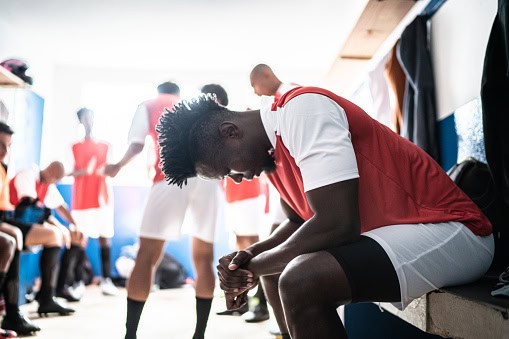
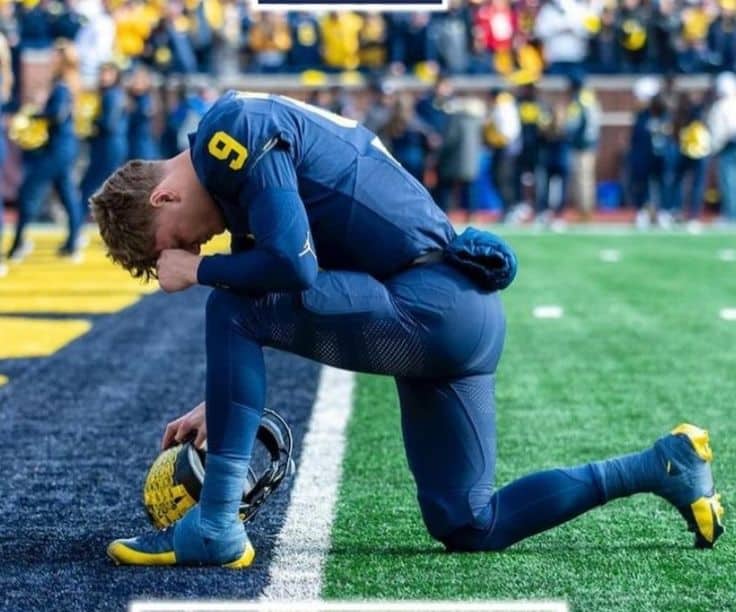
Winning Starts Within: Why Athlete Mental Health Is Just as Important as Physical Conditioning

Success in sports is often associated with speed, strength, endurance, and countless hours of physical training. Athletes dedicate themselves to improving every aspect of their performance, from nutrition and conditioning to technique and recovery. Yet one of the most important factors in achieving consistent success is often overlooked: mental health. Emotional well-being influences confidence, decision making, motivation, relationships, and the ability to overcome adversity. When mental health is neglected, even the most physically prepared athlete can struggle. Prioritizing athlete mental health is not simply about improving performance. It is about creating a healthier, more balanced life while reducing the risk of burnout, addiction, and emotional distress.

Mental Health Is a Core Part of Athletic Performance

Athletes depend on both physical and mental strength to compete at their highest level. Every practice, competition, and recovery period requires focus, emotional control, and resilience. When an athlete experiences anxiety, depression, chronic stress, or emotional exhaustion, physical conditioning alone cannot compensate.

Mental health directly affects reaction time, concentration, confidence, and the ability to perform under pressure. Just as athletes train their bodies to become stronger, they must also develop healthy habits that support emotional wellness.

The Pressure to Perform Never Stops

Athletes often face enormous expectations. Coaches expect results. Teammates rely on consistency. Families provide encouragement while hoping to see success. Fans and social media can increase pressure by placing every performance under public scrutiny.

Many athletes feel obligated to appear confident and mentally strong at all times. Because of this, they may hide emotional struggles rather than asking for help. Over time, suppressed stress can contribute to anxiety, depression, sleep problems, and burnout.

Injuries Affect More Than Physical Health

Physical injuries interrupt training and competition, but they also affect emotional well-being. Athletes recovering from injuries may experience frustration, fear, loneliness, or uncertainty about returning to their previous level of performance.

When an athlete’s identity is closely tied to sports, even a temporary setback can create feelings of self doubt or hopelessness. Emotional support during recovery is just as important as physical rehabilitation.

The Relationship Between Mental Health and Addiction

Mental health challenges and substance use disorders often develop together. Athletes coping with overwhelming stress, emotional pain, or chronic injuries sometimes turn to alcohol, prescription medications, or other substances in an effort to manage difficult emotions.

Although these behaviors may provide temporary relief, they rarely solve the underlying problems. Instead, they often increase emotional distress while creating new physical and psychological challenges.

Why Athletes Face Increased Risk

Several factors may increase an athlete’s vulnerability to addiction.

Performance Anxiety

Fear of failure and constant evaluation can create emotional strain that becomes difficult to manage without healthy coping strategies.

Pain Management

Athletes recovering from injuries may require prescription medications. Without proper monitoring and emotional support, these medications can become part of a larger struggle with dependency.

Emotional Isolation

Sports culture sometimes encourages athletes to hide vulnerability. This can prevent individuals from seeking professional help until emotional challenges become overwhelming.

Comprehensive Care Supports Lasting Recovery

Recovery is most successful when it addresses both mental health and substance use together. A comprehensive approach recognizes that emotional struggles often influence addictive behaviors and that healing requires treating the whole person.

Individualized Treatment Makes a Difference

Every athlete experiences life differently. Some struggle with anxiety before competition, while others face depression after career transitions, injuries, or personal loss.

Individualized treatment plans are designed around each person’s unique experiences, goals, and strengths. Personalized care helps athletes develop practical coping skills while addressing the emotional factors contributing to mental health concerns or addiction.

Inpatient and Outpatient Care Options

Some individuals benefit from the structure and intensive support of inpatient treatment, where they can focus completely on healing in a safe and therapeutic environment.

Others may find outpatient care more appropriate. This option provides flexibility while allowing athletes to receive counseling, therapy, and recovery support without stepping away from work, school, or family responsibilities.

Both levels of care can provide meaningful progress when matched to the individual’s specific needs.

Holistic Healing Creates Balance

Healing involves much more than managing symptoms. A holistic approach supports emotional, physical, relational, and spiritual well-being.

Therapeutic counseling, healthy lifestyle practices, stress management, wellness activities, and nutritional guidance all contribute to stronger emotional resilience and healthier recovery.

Faith Based Support Can Inspire Hope

For many individuals, faith provides strength during life’s most difficult moments. Faith based care can complement evidence-based treatment by encouraging hope, forgiveness, purpose, and personal growth.

When integrated into individualized treatment, spiritual support helps many athletes find renewed confidence and lasting emotional healing.

Practical Ways Athletes Can Strengthen Mental Wellness

Building emotional resilience requires ongoing attention and intentional habits.

Make Mental Health Part of Training

Athletes should approach mental wellness with the same commitment they bring to physical conditioning. Regular counseling, emotional check ins, and stress management practices help build long term resilience.

Develop Healthy Coping Skills

Mindfulness, prayer, journaling, healthy sleep habits, and relaxation techniques provide positive ways to manage pressure while reducing reliance on unhealthy behaviors.

Stay Connected

Strong relationships with family, teammates, coaches, mentors, and mental health professionals create valuable support systems that encourage openness and accountability.

Seek Help Early

Reaching out for professional support is a sign of strength, not weakness. Early intervention can prevent emotional challenges from becoming more severe while improving both recovery and athletic performance.

Conclusion: True Victory Begins with a Healthy Mind

Championships, medals, and personal records are meaningful accomplishments, but lasting success begins long before the competition starts. A healthy mind provides the confidence, resilience, and emotional balance athletes need to thrive through victories, setbacks, injuries, and life’s unexpected challenges.

If you or someone you care about is struggling with anxiety, depression, substance use, or other mental health concerns, compassionate help is available. Through individualized treatment, comprehensive addiction recovery services, inpatient and outpatient care, holistic therapies, and faith based support, healing is possible. Taking the first step today can lead to renewed hope, stronger emotional wellness, and a healthier future both in sports and beyond.

The Silent Struggle in Sports: Why Athletes Need Mental Health and Recovery Support

Athletes are often admired for their discipline, resilience, and ability to perform under pressure. Their dedication to training and competition inspires others to push beyond their limits. Yet behind the victories, personal records, and public recognition, many athletes quietly battle challenges that are far less visible. Anxiety, depression, burnout, trauma, and substance use can affect athletes at every level, regardless of talent or success. While physical injuries are usually treated with urgency, emotional health often remains overlooked. Recognizing the importance of mental health and recovery support is essential for helping athletes achieve lasting wellness both during and after their athletic careers.

The Hidden Mental Health Challenges Athletes Face

Success in sports often comes with significant emotional demands. Athletes are expected to stay focused, motivated, and mentally tough through every victory and setback. Over time, these expectations can create stress that affects both performance and personal well-being.

Mental health challenges are not a sign of weakness. They are common health conditions that deserve the same level of attention as physical injuries.

Living Under Constant Pressure

Athletes often feel pressure from many directions. Coaches expect consistent performance. Teammates depend on one another. Families provide encouragement but may also have high expectations. Fans and social media can add another layer of scrutiny.

This constant pressure can leave athletes feeling overwhelmed. Many choose to hide their emotions because they fear being judged or viewed differently. Unfortunately, suppressing emotional struggles often allows them to grow more serious over time.

Injuries Can Affect Emotional Well-Being

A physical injury does more than interrupt training. It can affect confidence, independence, and personal identity.

Athletes recovering from injuries may experience frustration, sadness, anxiety, or fear about returning to competition. When emotional health is ignored during rehabilitation, recovery becomes even more difficult.

Supporting emotional wellness throughout the healing process helps athletes regain confidence while reducing the risk of long term mental health concerns.

The Link Between Mental Health and Addiction

Mental health and substance use disorders frequently occur together. Athletes dealing with emotional pain, chronic stress, or physical discomfort may turn to alcohol, prescription medications, or other substances in an attempt to cope.

Although these substances may temporarily reduce emotional distress, they often create additional physical, emotional, and behavioral challenges.

Why Athletes May Be Vulnerable

Several factors can increase the risk of substance misuse among athletes.

Performance Expectations

The pressure to succeed can lead some individuals to seek unhealthy ways to manage anxiety or emotional stress.

Pain Management

Athletes recovering from injuries may rely on prescription medications for extended periods. Without proper monitoring and emotional support, dependence can develop.

Emotional Isolation

Many athletes believe they should solve problems on their own. This reluctance to seek help can delay treatment and allow mental health conditions to worsen.

Why Comprehensive Recovery Support Matters

Healing requires more than addressing symptoms alone. Long term recovery involves understanding the emotional, behavioral, and psychological factors contributing to addiction and mental health challenges.

A comprehensive treatment approach helps athletes rebuild healthy coping skills while creating a stronger foundation for lifelong wellness.

Individualized Treatment Creates Better Outcomes

Every athlete has a unique story. Some struggle with anxiety before competition, while others experience depression following an injury or career transition.

Individualized treatment plans recognize these differences by developing care strategies that reflect each person’s goals, experiences, strengths, and recovery needs. Personalized care improves engagement and supports meaningful, lasting progress.

Inpatient and Outpatient Care Options

Recovery looks different for everyone. Some individuals benefit from the structure and intensive support provided through inpatient treatment, where they can fully focus on healing in a safe and therapeutic environment.

Others may find outpatient treatment to be a better fit. This option provides access to therapy, counseling, and recovery services while allowing individuals to continue working, attending school, or meeting family responsibilities.

Both levels of care offer valuable support when tailored to the individual’s circumstances.

A Holistic Approach to Healing

Athletes are more than competitors. They are individuals with emotional, physical, relational, and spiritual needs.

Holistic treatment recognizes that sustainable recovery requires caring for every aspect of a person’s well-being. Therapy, healthy lifestyle practices, stress management techniques, nutritional guidance, and wellness activities all contribute to emotional resilience and recovery.

Faith Based Support for Lasting Hope

For many individuals, faith provides comfort and direction during difficult times. Faith based support can complement evidence-based mental health and addiction treatment by encouraging hope, forgiveness, personal growth, and renewed purpose.

When integrated into individualized care, spiritual support can strengthen recovery and help individuals move forward with confidence.

Practical Ways Athletes Can Protect Their Mental Health

Supporting emotional wellness begins with consistent habits and a willingness to ask for help when needed.

Prioritize Emotional Wellness

Mental health deserves regular attention, just like physical conditioning. Speaking with a mental health professional can help athletes recognize concerns before they become overwhelming.

Build Healthy Coping Skills

Mindfulness, prayer, journaling, exercise, adequate sleep, and stress management techniques provide healthier ways to respond to life’s challenges.

Lean on a Support Network

Trusted coaches, teammates, family members, mentors, and counselors can provide encouragement, accountability, and perspective during difficult seasons.

Seek Help Without Shame

Seeking professional care demonstrates courage and commitment to long term well-being. Early intervention often leads to better outcomes and a healthier future.

Conclusion: Recovery Begins by Breaking the Silence

The greatest challenges athletes face are not always visible. Behind physical strength and competitive success may be emotional struggles that deserve compassion, understanding, and professional support. Prioritizing mental health is not only essential for athletic performance. It is also the foundation for lasting recovery, healthier relationships, and a more fulfilling life.

If you or someone you care about is struggling with mental health concerns or substance use, help is available. Through compassionate, individualized care that includes addiction recovery services, mental health treatment, inpatient and outpatient programs, holistic therapies, and faith based support, healing is possible. Taking the first step today can open the door to renewed hope, emotional resilience, and a stronger future both in sports and beyond.

More Than Muscle and Endurance: Addressing the Emotional Health Needs of Athletes

Athletes dedicate countless hours to building physical strength, improving endurance, and mastering their skills. They train relentlessly to compete at their highest level, often pushing their bodies to extraordinary limits. Yet athletic success depends on far more than physical ability alone. Emotional health plays a critical role in performance, recovery, relationships, and overall well-being. When anxiety, depression, chronic stress, or substance use are left unaddressed, even the strongest athletes can struggle both on and off the field. Recognizing the emotional health needs of athletes is essential for promoting lasting wellness and creating a healthier path toward recovery.

Why Emotional Health Is a Vital Part of Athletic Success

The connection between physical performance and mental well-being is undeniable. Athletes rely on emotional resilience to stay focused during competition, recover from setbacks, and remain motivated through demanding training schedules.

When emotional wellness is neglected, it can become difficult to manage pressure, maintain confidence, and enjoy the sport itself. Over time, unresolved mental health challenges can affect every aspect of an athlete’s life.

The Pressure to Always Be Strong

Athletes often feel expected to remain mentally tough regardless of what they are experiencing personally. Coaches, teammates, fans, and even family members may unknowingly reinforce the belief that asking for help is a sign of weakness.

As a result, many athletes hide feelings of anxiety, depression, or emotional exhaustion. Instead of seeking support, they continue pushing forward until stress begins affecting their performance, physical health, and personal relationships.

Injuries Affect More Than the Body

Physical injuries receive immediate medical attention, but the emotional impact of those injuries is often overlooked.

An athlete recovering from a serious injury may experience frustration, fear, isolation, or uncertainty about returning to competition. When athletic identity is deeply connected to self-worth, time away from sports can trigger significant emotional distress.

Providing mental health support during injury recovery helps athletes navigate these challenges while protecting their long term well-being.

The Relationship Between Emotional Health and Addiction

Athletes experiencing emotional pain or ongoing stress sometimes turn to alcohol, prescription medications, or other substances as a way to cope.

While these behaviors may seem to offer temporary relief, they rarely solve the underlying emotional struggles. Instead, substance use often creates additional complications that affect both recovery and athletic performance.

Understanding the Risk Factors

Several factors increase the likelihood of substance misuse among athletes, including:

Performance Anxiety

Fear of failure, constant evaluation, and intense competition can create overwhelming emotional pressure.

Chronic Pain

Repeated injuries and physical discomfort may increase reliance on prescription pain medications if emotional support is lacking.

Emotional Isolation

Athletes may believe they need to solve problems independently, making it less likely that they will seek professional help before challenges become more serious.

Treating the Whole Person Through Holistic Care

Long lasting recovery requires addressing more than symptoms alone. Effective treatment focuses on the physical, emotional, behavioral, and spiritual aspects of healing.

A holistic approach recognizes that emotional wellness is interconnected with every part of an athlete’s life.

Individualized Treatment Plans

No two athletes experience mental health challenges in the same way. Some struggle with burnout, while others experience depression, anxiety, trauma, or substance use disorders.

Individualized treatment plans allow clinicians to develop care strategies based on each person’s unique experiences, strengths, and recovery goals.

Personalized care creates opportunities for meaningful healing that extends well beyond athletic performance.

Inpatient and Outpatient Care Options

Different situations require different levels of support.

Inpatient treatment offers a structured environment where individuals can step away from outside pressures and focus completely on recovery. This level of care provides intensive therapeutic support for those facing more significant mental health or addiction challenges.

Outpatient treatment allows athletes to continue working, studying, or fulfilling personal responsibilities while participating in therapy and recovery services. This flexible option provides ongoing guidance while maintaining daily routines.

Faith Based Support Can Strengthen Recovery

For many individuals, faith provides hope, comfort, and direction during difficult times.

Faith based support can complement evidence based mental health and addiction treatment by encouraging personal growth, spiritual healing, and renewed purpose. When integrated into individualized care, this approach supports recovery in a deeply meaningful way for those who value their spiritual beliefs.

Healthy Habits That Support Emotional Wellness

Mental health is strengthened through consistent daily practices. Athletes who prioritize emotional wellness often experience greater resilience and improved overall performance.

Make Mental Health Part of Training

Mental wellness should be viewed as an essential part of athletic development. Regular counseling, emotional check ins, and stress management can help prevent problems before they become overwhelming.

Develop Positive Coping Skills

Mindfulness, prayer, journaling, healthy sleep habits, and relaxation techniques help athletes respond to stress in constructive ways rather than relying on unhealthy behaviors.

Build a Strong Support Network

Family members, teammates, coaches, mentors, and mental health professionals all contribute to a healthy support system. Open communication encourages athletes to seek help without fear of judgment.

Conclusion: True Strength Includes Emotional Wellness

Athletic success involves far more than muscle and endurance. Emotional health influences confidence, resilience, decision making, and the ability to overcome life’s inevitable challenges. When mental health is prioritized alongside physical training, athletes are better prepared to thrive in competition and in everyday life.

If you or someone you care about is facing mental health concerns or struggling with substance use, compassionate help is available. Through individualized treatment, holistic care, inpatient and outpatient services, and faith based support, lasting recovery is possible. Seeking professional guidance is not a sign of weakness. It is a powerful step toward healing, renewed purpose, and a healthier future both on and off the field.

Stronger Than the Scoreboard: How Mental Health Support Helps Athletes Thrive

Athletic achievement is often measured by statistics, championships, and personal records. While these accomplishments reflect dedication and physical ability, they do not tell the whole story. Behind every athlete is a person navigating pressure, expectations, setbacks, and emotional challenges that can affect every aspect of life. Mental health is just as important as physical conditioning, yet it is frequently overlooked in competitive sports. When athletes receive the emotional support they need, they are better equipped to perform, recover, and build healthier lives both on and off the field.

Recognizing the importance of mental health is also essential in preventing substance misuse and supporting long term recovery. Athletes who feel emotionally supported are more likely to develop healthy coping skills, seek help when needed, and maintain lasting wellness.

Why Mental Health Is Essential for Athletic Success

Strong athletic performance requires more than physical strength. Mental health influences concentration, confidence, emotional regulation, and the ability to overcome adversity. Whether preparing for competition or recovering from a difficult season, an athlete’s emotional well-being plays a significant role in long term success.

Many athletes experience anxiety, depression, burnout, or overwhelming stress without anyone recognizing the warning signs. Because sports often emphasize toughness and perseverance, emotional struggles may remain hidden until they begin affecting performance, relationships, or overall health.

The Pressure Behind Every Competition

Athletes regularly face expectations from coaches, teammates, family members, fans, and themselves. Every game, race, or performance can feel like a test of personal worth.

While healthy competition encourages growth, constant pressure can become emotionally exhausting. Fear of failure, perfectionism, and public scrutiny may lead athletes to suppress their emotions instead of asking for help.

Over time, this emotional burden can increase the risk of anxiety disorders, depression, and unhealthy coping behaviors.

When Identity Becomes Tied to Performance

For many athletes, sports become a central part of their identity. Success brings confidence, while setbacks may create feelings of self doubt or hopelessness.

An injury, retirement, or unexpected career transition can be emotionally devastating. Without adequate mental health support, athletes may struggle to adjust and find purpose outside of competition.

The Connection Between Mental Health and Addiction

Mental health challenges and substance use disorders frequently occur together. Athletes experiencing emotional distress or chronic stress sometimes turn to alcohol, prescription medications, or other substances in an attempt to cope.

Although substances may temporarily reduce emotional discomfort, they do not resolve the underlying issues. Instead, they often create additional obstacles to recovery and overall well-being.

Understanding the Risk Factors

Athletes may be exposed to several factors that increase vulnerability to addiction, including:

Physical Injuries

Pain management after injuries may involve prescription medications that carry the risk of dependency when not carefully managed.

Performance Pressure

The constant drive to succeed may lead some individuals to use substances to manage anxiety, improve focus, or escape emotional stress.

Emotional Isolation

Many athletes feel they must handle problems independently. This reluctance to seek support can allow mental health concerns and substance use to worsen over time.

Comprehensive Care Creates Lasting Recovery

Healing is most effective when mental health and addiction are treated together. Addressing only one part of the problem often leaves underlying emotional challenges unresolved.

A comprehensive treatment approach helps athletes understand the root causes of emotional distress while developing healthier coping strategies that support lasting recovery.

Individualized Treatment Plans

Every athlete has unique experiences, challenges, and goals. Individualized treatment ensures that care is tailored to each person’s specific needs rather than relying on a standard approach.

Personalized care allows therapists and treatment professionals to address emotional health, addiction recovery, trauma, stress management, and life transitions in meaningful ways.

Inpatient and Outpatient Treatment Options

Some individuals benefit from the structure and intensive support provided through inpatient treatment. This environment allows clients to fully focus on healing without outside distractions.

Others may thrive in outpatient programs that provide therapy, counseling, and addiction treatment while allowing them to continue working, studying, or managing family responsibilities.

Both levels of care can play an important role in long term recovery when matched to the individual’s needs.

The Benefits of Holistic and Faith Based Healing

Recovery extends beyond treating symptoms. Holistic care focuses on healing the mind, body, and spirit together.

Therapeutic counseling, wellness practices, nutritional support, stress management, and healthy lifestyle changes all contribute to emotional resilience.

For individuals who value spirituality, faith based support can offer hope, encouragement, and a renewed sense of purpose throughout the recovery journey. When combined with evidence based treatment, this approach helps create a balanced path toward lasting healing.

Building Mental Strength Every Day

Mental wellness is developed through consistent habits and supportive relationships. Athletes can strengthen emotional resilience by taking intentional steps each day.

Prioritize Emotional Health

Mental health deserves the same attention as physical training. Regular check ins with a therapist or counselor can help identify concerns before they become overwhelming.

Develop Healthy Coping Skills

Mindfulness, prayer, journaling, relaxation techniques, and healthy routines help athletes manage stress in productive ways.

Stay Connected

Family members, teammates, coaches, mentors, and mental health professionals all play valuable roles in providing encouragement and accountability.

Ask for Help Early

Seeking professional support demonstrates strength and self awareness. Early intervention often prevents emotional challenges from becoming more serious and improves long term outcomes.

Conclusion: Real Strength Goes Beyond Winning

The scoreboard reflects only one part of an athlete’s journey. True strength is built through emotional resilience, healthy relationships, and the courage to seek support during difficult times.

Mental health care is not separate from athletic success. It is a vital part of achieving balance, preventing addiction, and maintaining overall well-being. When athletes receive compassionate, individualized support, they are empowered to overcome challenges and thrive both in competition and in everyday life.

If you or someone you love is struggling with mental health concerns or substance use, you do not have to face those challenges alone. Professional treatment that combines addiction recovery, mental health care, holistic therapies, faith based support, and individualized treatment planning can provide the guidance needed to build a healthier future. Taking the first step today can lead to lasting healing, renewed confidence, and a stronger life beyond the scoreboard.