 Recovering from a sports injury is often measured by physical milestones. Athletes track improvements in strength, mobility, endurance, and performance as they work toward returning to competition. However, physical healing does not always mean emotional recovery is complete. An athlete may be cleared to play while still struggling with anxiety, depression, fear of reinjury, or a loss of confidence. These challenges can affect relationships, daily routines, and the ability to enjoy sports again. Supporting athletes through mental health challenges requires looking beyond physical rehabilitation and recognizing that emotional recovery deserves the same attention, patience, and professional care.
Why Mental Health Can Remain a Challenge After Physical Recovery
An injury can disrupt nearly every part of an athlete’s life. Training schedules change, competitions are missed, and time away from teammates can create feelings of isolation. For athletes whose identity is closely connected to their sport, these changes may be especially difficult.
Even after the body has recovered, emotional effects can remain. An athlete may worry about getting injured again, question their abilities, or feel pressure to regain their previous performance level immediately.
Fear of Reinjury and Loss of Confidence
Returning to competition can be intimidating. Movements that once felt natural may suddenly create anxiety. An athlete recovering from a knee injury, for example, might hesitate when running, jumping, or changing direction.
This fear is not necessarily a sign of poor motivation. It can be a response to a difficult experience that has affected the athlete’s sense of safety and confidence.
Mental health professionals can help athletes understand these reactions and develop healthier ways to manage them. Psychological support, realistic goals, and gradual exposure to challenging movements can help rebuild confidence alongside physical rehabilitation.
Frustration, Grief, and Changes in Identity
Athletes may experience grief when an injury takes away an important part of their routine or prevents them from reaching a major goal. Some feel frustrated about lost opportunities, while others struggle with the uncertainty of their athletic future.
These emotions can become more complicated when an athlete feels that their value depends entirely on performance.
Developing interests, relationships, and personal goals outside sports can help create a stronger sense of identity. Athletes should be encouraged to recognize that their worth is not determined by their ability to compete.
Recognizing Mental Health Challenges in Athletes
Mental health concerns do not always appear obvious. Some athletes continue attending practice, meeting responsibilities, and performing well while privately experiencing significant emotional distress.
Sports culture can make it harder to speak openly. Athletes may worry that admitting anxiety or depression will make them appear weak or affect their place on a team.
Recognizing changes in behavior and emotional health is an important first step toward getting support.
Common Warning Signs
Athletes, coaches, and family members should pay attention to ongoing changes such as:
- Persistent sadness, irritability, or emotional exhaustion.
- Increased anxiety before training sessions or competitions.
- Difficulty sleeping or frequent changes in appetite.
- Loss of motivation or enjoyment in sports.
- Withdrawal from friends, family, or teammates.
- Trouble concentrating or making decisions.
- Feelings of hopelessness, guilt, or low self-worth.
- Increased use of alcohol or other substances to manage stress.
These signs do not automatically indicate a mental health disorder. However, when symptoms persist or interfere with everyday life, speaking with a qualified professional can help clarify what is happening and identify appropriate support.
The Connection Between Athletic Pressure, Mental Health, and Addiction
Athletes face unique pressures. They may be expected to remain disciplined, recover quickly, manage pain, and maintain consistent results. When these expectations become overwhelming, some individuals turn to unhealthy coping strategies.
Alcohol, prescription medication, and other substances may seem to offer temporary relief from stress, emotional discomfort, or physical pain. Unfortunately, repeated reliance on substances can create additional problems.
How Substance Use Can Develop
An athlete experiencing chronic pain may begin relying heavily on medication. Another may use alcohol to relax after intense competitions or to manage anxiety before important events.
Over time, these behaviors can become difficult to control. Substance use may affect sleep, concentration, emotional stability, relationships, and physical health. It can also make existing mental health symptoms more difficult to manage.
Athletes should never feel ashamed to discuss concerns about substance use. Addiction is a health condition, not a personal failure. Early intervention can help address both substance use and the emotional challenges that may contribute to it.
Treating Mental Health and Addiction Together
When mental health concerns and substance use occur together, treating only one issue may leave important needs unaddressed. For example, an athlete may complete addiction treatment but continue experiencing untreated anxiety or depression that contributed to substance use.
Integrated care considers the relationship between these concerns. Treatment may involve individual therapy, group counseling, medical support when appropriate, and a personalized recovery plan.
Addressing underlying stress, trauma, emotional distress, and unhealthy coping patterns can help athletes build a more stable foundation for long-term recovery.
Practical Ways to Support Emotional Recovery
Mental health support should not begin only when an athlete reaches a crisis point. Consistent habits and supportive relationships can help protect emotional well-being throughout injury recovery and beyond.
Set Realistic Recovery Expectations
Athletes often want to return to competition as quickly as possible. However, comparing current performance with previous achievements can create unnecessary frustration.
A healthier approach is to establish realistic goals with medical professionals, coaches, and rehabilitation specialists. Progress may involve small improvements in confidence, movement, emotional stability, and daily functioning.
Recognizing these achievements helps athletes avoid placing excessive pressure on themselves.
Make Room for Honest Conversations
Athletes need people they can speak with without fear of judgment. Coaches, teammates, family members, and trusted friends can provide valuable encouragement.
Instead of immediately offering solutions, supporters should listen and take concerns seriously. Simple questions such as “How are you coping with recovery?” or “What has been the hardest part for you?” can create opportunities for meaningful conversations.
If an athlete shows signs of serious emotional distress, professional support should be encouraged.
Maintain Healthy Daily Routines
A consistent routine can provide stability during periods when sports participation is limited. Depending on medical advice and personal circumstances, helpful habits may include:
- Maintaining a regular sleep schedule.
- Eating balanced meals and staying hydrated.
- Participating in approved physical rehabilitation.
- Practicing breathing exercises or mindfulness.
- Staying connected with friends and teammates.
- Making time for hobbies outside sports.
- Limiting alcohol and avoiding nonmedical substance use.
These habits are not substitutes for treatment when someone needs clinical care. However, they can complement professional support and encourage healthier coping patterns.
When Professional Mental Health Treatment Is Necessary
Some emotional challenges improve with time, social support, and healthy routines. Others require professional treatment, particularly when symptoms persist, become more severe, or interfere with everyday responsibilities.
Athletes experiencing depression, significant anxiety, trauma-related symptoms, or addiction should consider speaking with a qualified mental health or addiction treatment professional.
Inpatient Care for Structured Recovery
Inpatient treatment may be appropriate for individuals who need intensive support in a structured environment. It can provide access to professional supervision, therapy, recovery education, and consistent daily routines.
For athletes dealing with substance use and significant mental health concerns, inpatient care can create space to focus on recovery without the pressures of everyday triggers and responsibilities.
The appropriate level of care depends on clinical needs, safety considerations, and an individual’s circumstances.
Outpatient Care for Ongoing Support
Outpatient treatment offers professional guidance while allowing individuals to continue managing responsibilities such as work, education, and family commitments.
Programs may include individual counseling, group therapy, addiction treatment, and continuing recovery support. This approach can be suitable for individuals whose needs can be safely managed without round-the-clock care.
A qualified treatment provider can help determine whether inpatient or outpatient services are the better fit.
Individualized, Holistic, and Faith-Based Support
Every athlete has a different history, support system, and set of recovery needs. An individualized treatment plan considers these differences rather than assuming that one approach will work for everyone.
Holistic care can address emotional, physical, social, and spiritual well-being. Depending on the person’s needs, treatment may incorporate therapy, stress management, healthy routines, relationship support, and other complementary practices.
For individuals who value spirituality, faith-based support may also offer a meaningful source of hope, purpose, and encouragement. These services can complement evidence-based mental health and addiction treatment.
The goal is to help each person build lasting skills and a healthier relationship with themselves, their sport, and their everyday life.
How Coaches, Families, and Teammates Can Make a Difference
Athletes should not have to manage mental health challenges alone. The people around them can help create an environment where emotional wellness is treated as an essential part of athletic development.
Coaches can encourage athletes to communicate honestly about stress and recovery. Families can offer support without placing pressure on individuals to return to competition before they are ready. Teammates can help reduce isolation by maintaining connections with injured athletes.
Sports organizations can also improve their approach by making mental health resources accessible and treating professional support as a normal part of athlete care.
Most importantly, supporters should avoid judging an athlete’s recovery based solely on physical progress. Emotional healing may require additional time, and that process deserves respect.
A Healthy Return Starts With the Whole Person
Physical rehabilitation can restore strength and mobility, but emotional recovery is equally important. Athletes who continue struggling with anxiety, depression, fear of reinjury, or substance use need support that recognizes the full impact of these experiences.
Mental health treatment, addiction recovery services, inpatient and outpatient care, and individualized support can help athletes address underlying challenges and develop healthier coping strategies. With the right guidance, recovery can become an opportunity to rebuild confidence, strengthen relationships, and establish a more balanced approach to life.
An athlete’s identity should never be limited to performance or physical ability. Whether returning to competition or discovering a new direction beyond sports, every person deserves the opportunity to feel healthy and supported.
If emotional distress or substance use is affecting your life, consider reaching out to a qualified mental health or addiction treatment professional. Asking for help is a meaningful step toward recovery. The body may be ready to compete again, but giving the mind the care it needs is just as important.
 Athletes dedicate countless hours to protecting their physical health. They follow training schedules, work with coaches, manage injuries, and make lifestyle choices that support peak performance. However, emotional well-being deserves the same level of attention. Anxiety, chronic stress, burnout, depression, and substance use can affect athletes at every stage of their careers. Without proper support, these challenges may interfere with performance, relationships, and overall quality of life. Protecting athlete mental health means looking beyond injury prevention and recognizing that a healthy mind is just as important as a strong body.
 Competition can bring out an athlete’s determination, discipline, and desire to succeed. However, behind the victories, training sessions, and public achievements, many athletes face emotional challenges that are difficult to see. Performance pressure, fear of failure, injuries, burnout, and the demands of maintaining a competitive career can take a serious toll on mental health. Recognizing mental health struggles in athletes is essential because physical strength does not guarantee emotional well-being. When anxiety, depression, or substance use goes unaddressed, the effects can reach far beyond sports, influencing relationships, daily responsibilities, and long-term health.
 Athletes spend years building strength, improving endurance, and learning how to perform under pressure. Yet even the strongest and most disciplined competitors can struggle with anxiety, depression, burnout, or addiction. Athlete mental health is just as important as physical conditioning because lasting wellness depends on both a healthy body and a healthy mind. When emotional challenges go unrecognized, they can affect athletic performance, relationships, confidence, and quality of life. Providing athletes with appropriate mental health support helps them address these challenges, develop healthier coping strategies, and build a stronger foundation for recovery.
 Athletes are trained to push through discomfort, overcome obstacles, and keep going when the pressure is high. However, when emotional struggles arise, the expectation to remain strong can make asking for help feel like a weakness. Mental health in sports deserves the same attention as physical health, and athletes should never have to choose between protecting their well-being and maintaining their identity as competitors. From performance anxiety and burnout to depression and addiction, mental health challenges can affect athletes at every level. Breaking the stigma around seeking support is an essential step toward healthier athletes, stronger teams, and more sustainable recovery.
 Athletes are expected to perform under pressure. They train through fatigue, compete despite nerves, recover from injuries, and constantly work to improve. That determination can be part of what makes sports rewarding, but it can also make it difficult for athletes to recognize when pressure is beginning to affect their mental health. Anxiety, burnout, depression, emotional exhaustion, substance use, and fear of failure can exist behind an impressive performance. Protecting athlete mental health means recognizing these challenges early and making professional support as normal as physical training and recovery.
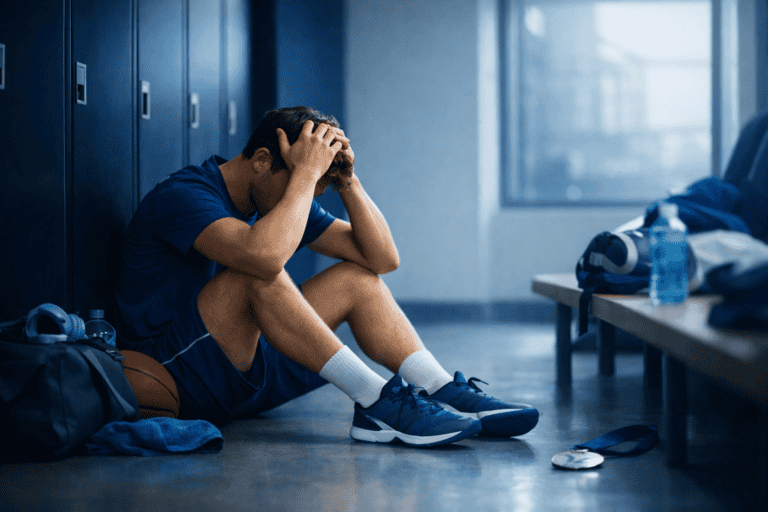 An athlete can look strong, focused, and successful while quietly struggling with anxiety, depression, burnout, trauma, or substance use. Physical conditioning is highly visible, but emotional distress often remains hidden behind practices, competitions, achievements, and a determination to keep going. Because sports culture can place a strong emphasis on toughness and performance, athletes may become skilled at hiding what they are experiencing. Recognizing the warning signs of poor mental health can make it easier to provide support before emotional distress begins affecting relationships, recovery, performance, and quality of life.
 For many athletes, sports are more than competition. They are a source of identity, purpose, community, and personal achievement. That can make the pressure to perform feel especially intense. Anxiety before competition, fear of failure, burnout, injuries, emotional exhaustion, and substance use can affect athletes even when they appear physically strong and successful. Mental health care gives athletes a place to address those challenges, develop healthier coping skills, and build a foundation for well being that extends far beyond the game.
 Athletes spend years learning how to strengthen their bodies, sharpen their skills, and perform under pressure. Yet even the strongest body can struggle when the mind is overwhelmed. Anxiety, burnout, depression, injury related stress, substance use, and the pressure to succeed can affect athletes at every level. A better approach to athlete mental health recognizes that physical conditioning and emotional wellness are not separate goals. They are connected parts of whole person health.