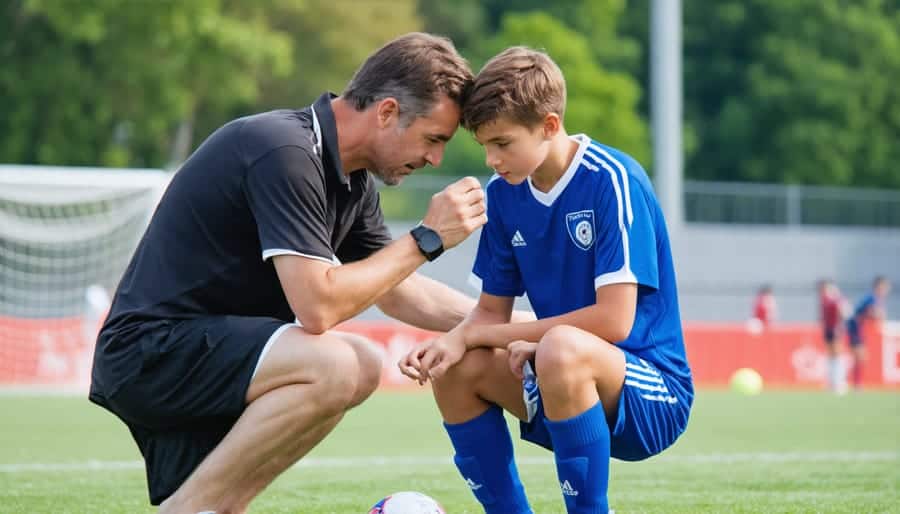
 Athletes are trained to strengthen their bodies, sharpen their skills, and push through physical limits. But one of the most important parts of athletic performance is still often overlooked: mental health. As the pressure in competitive sports continues to grow, so does the need for emotional support, psychological resilience, and accessible mental health care. Training the body alone is no longer enough. Athletes also need support for the mind in order to perform well, recover properly, and maintain long-term well-being.
Why Mental Health Matters in Athletic Performance
Mental health is directly connected to how athletes think, feel, and perform under pressure. Focus, confidence, motivation, and decision-making are all influenced by emotional wellness. When mental health is strong, athletes are more likely to stay consistent, recover from setbacks, and perform at their best even in high-pressure situations.
However, when mental health begins to decline, performance is often affected in subtle but important ways. Sleep becomes disrupted, concentration weakens, and stress becomes harder to manage. Over time, these challenges can impact both athletic success and personal life.
Pressure, Expectations, and Emotional Strain
Athletes face constant expectations from coaches, teammates, fans, and sometimes even their own families. On top of that, many athletes place extreme pressure on themselves to perform perfectly.
This ongoing pressure can lead to anxiety, burnout, and emotional exhaustion. Many athletes feel they cannot speak openly about these struggles because they fear being judged or seen as weak. As a result, emotional distress often goes unaddressed until it becomes more serious.
Identity and Life Beyond Sport
For many athletes, their identity becomes closely tied to their performance. When injuries happen, seasons end, or careers shift unexpectedly, it can create a sense of loss or uncertainty.
This identity disruption can lead to depression, anxiety, or difficulty adjusting to life outside of sport. Without proper mental health support, athletes may struggle to rebuild confidence and purpose beyond competition.
The Connection Between Mental Health and Addiction in Sports
Mental health challenges and substance use often develop together. Athletes dealing with emotional stress, chronic pain, or performance pressure may turn to alcohol or drugs as a coping mechanism.
While this may provide temporary relief, it does not address the root issue and can quickly lead to dependency or addiction.
Self-Medication and Hidden Struggles
In sports culture, athletes are often expected to “push through” pain and emotion. This mindset can make it harder to recognize when coping strategies become unhealthy.
Pain medication misuse, alcohol use for stress relief, or stimulants for performance are all examples of how substance use can develop in athletic environments. Over time, these patterns can affect both mental health and physical performance.
Why Integrated Treatment Is Essential
True recovery requires more than addressing substance use alone. Mental health challenges must also be treated in order to create lasting change.
Integrated treatment focuses on both emotional wellness and addiction recovery at the same time. This approach helps athletes understand their triggers, develop healthier coping skills, and build emotional resilience that supports long-term stability.
Holistic and Individualized Care for Athletes
At Team Stoeckli, recovery is not treated as a one-size-fits-all process. Instead, care is built around the whole person, including emotional, physical, and spiritual needs.
Inpatient and Outpatient Support Options
Different athletes require different levels of care depending on their situation. Inpatient treatment offers a structured environment where individuals can step away from daily pressures and focus entirely on healing.
Outpatient care provides flexibility while still offering consistent therapeutic support. This allows athletes to continue working, studying, or transitioning through life while receiving professional mental health care and addiction recovery support.
Faith Based and Personalized Healing
For many individuals, faith plays an important role in recovery and emotional strength. Faith based support can offer hope, meaning, and grounding during difficult times.
When combined with clinical mental health treatment and addiction recovery services, this approach helps create a more complete healing experience. Individualized treatment ensures that care is tailored to each athlete’s unique history, challenges, and goals.
Practical Ways to Support Mental Health in Sports
Mental health support in athletics is not only about treatment. It also involves prevention, awareness, and daily habits that promote emotional wellness.
Creating Space for Mental Health Conversations
One of the most important steps is normalizing conversations about emotional health. When athletes feel safe discussing stress or anxiety, they are more likely to seek help early.
Building Healthy Coping Skills
Mindfulness, rest, structured routines, therapy, and open communication are all important tools. These strategies help athletes manage pressure in healthier ways and reduce reliance on harmful coping mechanisms.
Strong Support Systems Matter
Coaches, teammates, family members, and mental health professionals all play a role in supporting athletes. A strong support system helps reduce isolation and encourages long-term emotional stability.
Conclusion: Training the Mind Is Just as Important as Training the Body
The growing demand in sports is not only physical. It is emotional and psychological as well. Athletes today need more than strength and conditioning. They need mental health support that helps them manage pressure, recover from setbacks, and build sustainable well-being.
When mental health is prioritized, athletes perform better, recover faster, and experience more balance in their lives. When it is ignored, the risks can include burnout, anxiety, and substance use challenges.
If you or someone you care about is struggling with mental health concerns or addiction, support is available. With compassionate, individualized, and holistic care, healing is possible and long-term recovery can begin.