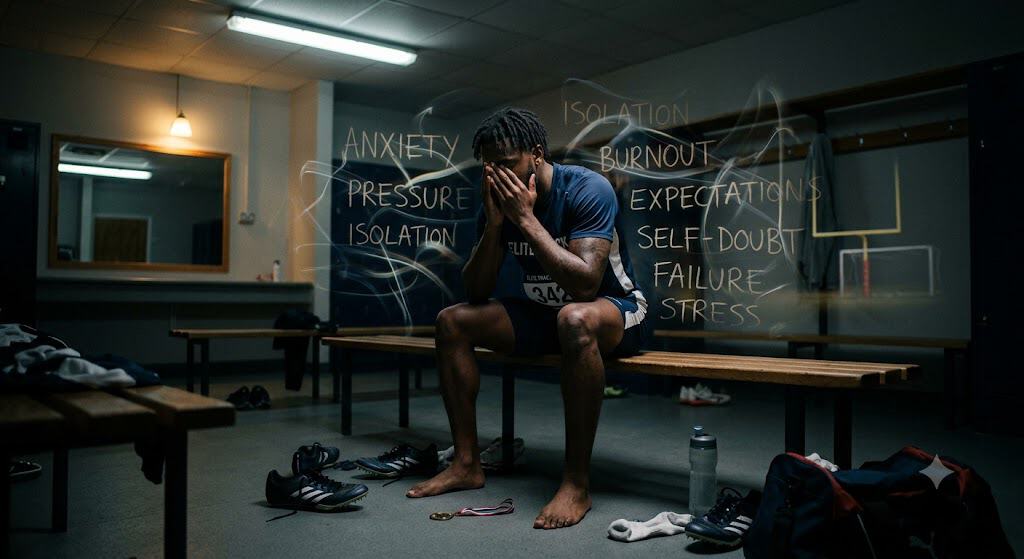
 Success in sports is often measured by wins, records, championships, and physical accomplishments. Athletes dedicate years to building strength, refining their skills, and achieving peak performance. While these achievements are celebrated, the emotional challenges that often accompany them receive far less attention. Behind every successful athlete is a person navigating pressure, expectations, setbacks, and personal struggles that are not always visible. Mental health is just as important as physical fitness, and recognizing its role is essential for helping athletes achieve lasting well-being, prevent substance misuse, and build healthier lives both on and off the field.
The Hidden Mental Health Challenges Athletes Face
Athletes are frequently viewed as mentally tough individuals who can overcome any obstacle. Although resilience is an important part of sports, it does not make someone immune to anxiety, depression, trauma, burnout, or emotional distress.
The constant pursuit of excellence can create significant psychological pressure. Whether an athlete competes professionally, in college, or at the amateur level, emotional health deserves the same level of care as physical conditioning.
The Weight of High Expectations
Athletes often face pressure from multiple directions. Coaches expect results, teammates rely on consistent performance, families offer encouragement that may unintentionally create added stress, and fans closely watch every success and setback.
Many athletes also place enormous expectations on themselves. They may believe that mistakes are unacceptable or that their value depends entirely on performance. Over time, this mindset can contribute to chronic stress, self-doubt, and emotional exhaustion.
The Emotional Impact of Injury and Career Changes
An injury affects more than physical health. It can disrupt an athlete’s confidence, daily routine, and sense of identity. Recovery periods may create feelings of frustration, loneliness, or fear about returning to competition.
Similarly, retirement, reduced playing time, or unexpected career changes can leave athletes questioning their purpose. Without proper emotional support, these life transitions can increase the risk of depression, anxiety, or unhealthy coping behaviors.
The Relationship Between Mental Health and Addiction
Mental health struggles and substance use disorders often develop together. Athletes experiencing overwhelming stress or emotional pain may turn to alcohol, prescription medications, or other substances in an attempt to manage difficult feelings.
Although these substances may provide temporary relief, they do not address the underlying causes of emotional distress. Instead, they can create additional physical, emotional, and psychological challenges.
Why Athletes May Be Vulnerable
Athletes often have access to prescription pain medication after injuries. Others may use alcohol to unwind after competitions or cope with ongoing performance anxiety. In highly competitive environments, asking for help may feel uncomfortable, causing emotional struggles to remain hidden.
These factors can increase the likelihood of substance misuse if mental health concerns are left untreated.
Treating the Whole Person
Long term recovery requires more than addressing addiction alone. Effective treatment also focuses on anxiety, depression, trauma, stress, and other emotional concerns that may contribute to substance use.
An integrated approach gives athletes the opportunity to heal physically, emotionally, and mentally while building healthier ways to respond to life’s challenges.
The Value of Holistic and Individualized Care
Every athlete has a unique story. Their experiences, goals, and personal struggles are different, which is why personalized treatment is essential.
A holistic approach recognizes that recovery involves much more than managing symptoms. It focuses on restoring balance in every area of life.
Inpatient and Outpatient Treatment Options
Some individuals benefit from inpatient treatment, where they can step away from outside pressures and focus entirely on healing in a structured environment.
Others may find outpatient care to be the best fit. This option allows athletes to receive therapy, counseling, and addiction recovery services while continuing with work, school, family responsibilities, or training.
Both levels of care provide compassionate support based on each person’s individual needs.
Faith Based Support and Emotional Healing
For many people, faith offers hope, comfort, and strength during recovery. A faith based approach can complement evidence-based mental health treatment by helping individuals reconnect with their values and develop a stronger sense of purpose.
When combined with individualized care, spiritual support can become a meaningful part of long term healing.
Building Emotional Strength Alongside Physical Strength
Mental wellness should be developed with the same commitment athletes bring to physical training. Strengthening emotional resilience improves performance, relationships, and overall quality of life.
Healthy Habits That Support Mental Wellness
Athletes can improve emotional health by making intentional choices each day, including:
Prioritize Rest and Recovery
Adequate sleep and recovery allow both the body and mind to function at their best.
Practice Healthy Stress Management
Mindfulness, prayer, journaling, exercise, and relaxation techniques can help athletes respond to pressure in healthier ways.
Stay Connected
Open conversations with trusted family members, coaches, teammates, or mental health professionals reduce isolation and encourage early intervention.
Seek Professional Support
There is no shame in asking for help. Working with experienced mental health professionals can provide valuable tools for managing emotional challenges before they become overwhelming.
Conclusion: True Success Begins with Mental Wellness
Athletic achievements are worth celebrating, but they should never come at the expense of emotional health. Behind every successful athlete is a person who deserves compassion, understanding, and support. By recognizing the connection between mental health, addiction recovery, and overall well-being, athletes can build stronger foundations for lasting success.
If you or someone you love is struggling with anxiety, depression, emotional distress, or substance use, professional help is available. Through compassionate, individualized, and holistic care that may include inpatient or outpatient treatment and faith based support, healing is possible. Taking the first step today can lead to renewed hope, healthier coping skills, and a brighter future both in sports and beyond.