
The Hidden Struggle: How Mental Health Challenges Impact Athletes Behind the Scenes

Athletes are often celebrated for their strength, discipline, and resilience. From the outside, their lives can look focused, successful, and physically optimized. What is rarely seen is the emotional pressure that builds behind the scenes. Mental health challenges in athletes are common, yet they are frequently minimized or ignored in favor of physical performance. This hidden struggle can affect not only performance, but also identity, relationships, and long term well being. When mental health needs go unmet, the risk of burnout, anxiety, depression, and substance use increases significantly.

Why Mental Health in Athletes Is Often Overlooked

In many sports cultures, mental toughness is praised while emotional vulnerability is misunderstood. Athletes may feel pressure to push through stress, hide emotional pain, or avoid asking for help out of fear of appearing weak. Over time, this mindset can lead to unresolved mental health conditions that quietly worsen.

The Pressure to Perform at All Costs

Athletes face constant evaluation from coaches, teammates, fans, and even themselves. Injuries, losses, or declining performance can threaten their sense of identity and purpose. Without proper mental health support, these pressures may lead to chronic stress, sleep issues, anxiety, or depression.

When Coping Turns Into Substance Use

For some athletes, substances become a way to cope with emotional pain, physical discomfort, or performance anxiety. What may start as occasional use can gradually turn into dependence. Addiction often develops alongside untreated mental health conditions, making recovery more complex if both issues are not addressed together.

The Link Between Mental Health and Addiction Recovery

Mental health and addiction are deeply connected. Treating one without addressing the other often leads to relapse or incomplete healing. Athletes in recovery benefit most from integrated treatment that focuses on emotional health, behavioral patterns, and underlying trauma.

Dual Focus Care for Lasting Recovery

Effective addiction recovery programs recognize that mental health treatment is essential. Addressing anxiety, depression, grief, or past trauma helps individuals develop healthier coping strategies. This approach supports both sobriety and emotional stability, which are critical for long term success.

The Role of Inpatient and Outpatient Treatment

Some athletes need the structure and support of inpatient care to step away from triggers and focus fully on healing. Others may benefit from outpatient treatment that allows them to maintain work, training, or family responsibilities while receiving professional support. Individualized care plans ensure that treatment aligns with each person’s unique needs and circumstances.

Holistic and Faith Based Approaches to Athlete Healing

Holistic treatment recognizes that healing involves the mind, body, and spirit. For many athletes, faith based support provides additional strength, purpose, and grounding during recovery.

Treating the Whole Person

Holistic mental health care may include counseling, group therapy, physical wellness support, and stress management techniques. When combined with faith based principles, individuals are encouraged to reconnect with values, meaning, and hope. This whole person approach promotes deeper healing rather than surface level change.

Individualized Care for Unique Challenges

No two athletes experience mental health or addiction challenges in the same way. Personalized treatment plans allow clinicians to address specific stressors such as injury related trauma, career transitions, or identity loss. This level of individualized care builds trust and empowers lasting growth.

Breaking the Silence Around Athlete Mental Health

Change begins with honest conversations. When athletes feel safe discussing mental health, they are more likely to seek help early. Coaches, families, and organizations play an important role in creating environments where mental wellness is prioritized alongside physical training.

Taking the First Step Toward Healing

Mental health challenges in athletes are real, impactful, and deserving of compassionate care. Behind the scenes, many individuals are quietly struggling with stress, emotional pain, or addiction while trying to maintain peak performance. Help is available, and recovery is possible with the right support. If you or someone you care about is facing mental health or substance use challenges, reaching out for professional, individualized treatment can be the first step toward healing. Prioritizing mental health is not a setback. It is a powerful step forward toward balance, recovery, and long term well being.

Beyond the Game: Why Athlete Mental Health Deserves the Same Attention as Physical Health

When we think about athletes, our minds often focus on physical strength, endurance, and performance. Yet behind every impressive record or championship win lies a human being who experiences pressure, stress, and mental strain just like anyone else. Athlete mental health is frequently overshadowed by physical health, leaving many struggling silently. Addressing mental health with the same care and urgency as physical conditioning is essential for long-term well-being, peak performance, and recovery from addiction or other life challenges.

Understanding the Unique Mental Health Challenges Athletes Face

Athletes experience stressors that go beyond the average person. High expectations, intense competition, public scrutiny, and the constant demand to perform can contribute to anxiety, depression, and burnout. For some, substance use may become a coping mechanism, creating a hidden cycle that impacts both mental and physical health. Understanding these unique pressures is critical to providing comprehensive support that addresses both mind and body.

The Connection Between Mental Health and Addiction in Athletes

Mental health struggles can increase the risk of addiction. Athletes facing anxiety, depression, or unresolved trauma may turn to drugs or alcohol to cope, often without recognition of the underlying issues. Effective addiction recovery cannot succeed without addressing these mental health challenges. A holistic approach that considers emotional well-being, spiritual support, and individual experiences is vital for lasting recovery.

Signs an Athlete Might Need Support

Some common signs that an athlete may be struggling with mental health issues include changes in mood, withdrawal from friends or teammates, sleep disruptions, and a decline in performance. Acknowledging these signs early and seeking professional help is essential. Early intervention not only improves mental well-being but also reduces the risk of substance abuse and long-term health complications.

How Holistic Approaches Support Athlete Mental Health

Holistic care looks at the entire person, not just symptoms. For athletes, this means integrating mental health treatment, addiction recovery, physical rehabilitation, and spiritual or faith-based support. Programs offering both inpatient and outpatient care can provide structured environments for recovery while still allowing athletes to maintain elements of their daily routines. Personalized care plans ensure that each athlete’s unique challenges and goals are addressed, fostering sustainable recovery and improved overall health.

Faith-Based and Individualized Care Options

Faith-based approaches can offer athletes additional tools for emotional resilience and purpose. When combined with personalized treatment plans, these methods support mental clarity, reduce stress, and encourage long-term wellness. Individualized care also ensures that recovery is not one-size-fits-all, accommodating the specific pressures athletes face in their personal and professional lives.

Creating a Culture That Prioritizes Mental Health

Breaking the stigma around mental health in sports is essential. Coaches, trainers, teammates, and families play a crucial role in fostering open dialogue and encouraging athletes to seek help without fear of judgment. By valuing mental health as much as physical fitness, we create a sustainable environment where athletes can thrive in all areas of life.

Taking the Next Step Toward Mental Wellness

Athlete mental health deserves attention equal to physical conditioning. Recognizing the connection between stress, performance, and potential substance use allows athletes to access comprehensive care tailored to their needs. If you or a loved one is struggling with mental health challenges or addiction, reaching out for professional help is the first step toward recovery. With holistic, individualized support, athletes can regain balance, achieve peak performance, and enjoy long-term well-being both on and off the field.

When Victory Fades: Recognizing Warning Signs of Mental Distress in Athletes

Athletes are often admired for their drive, discipline, and ability to achieve peak performance. Yet behind every victory lies a reality that is rarely discussed: the mental health challenges that can accompany competitive sports. Stress, anxiety, depression, and even addiction can affect athletes at any stage of their careers. At Team Stoeckli, we understand that early recognition and intervention are crucial. Identifying the warning signs of mental distress can prevent small struggles from becoming serious crises, ensuring athletes maintain both their performance and overall well-being.

The Hidden Pressures Facing Athletes

Elite athletes face unique stressors that go far beyond training and competition. Public expectations, injury recovery, career transitions, and balancing personal life with the demands of sport can create intense emotional pressure. Many athletes feel compelled to hide their struggles, fearing stigma or loss of opportunities. This silence can make mental health challenges harder to detect and more damaging over time.

Understanding that mental health is as important as physical conditioning is the first step in supporting athletes’ long-term success and personal growth.

Warning Signs of Mental Distress in Athletes

Emotional Indicators

Changes in mood or behavior often signal mental distress. Athletes may exhibit irritability, increased sensitivity, persistent sadness, or feelings of hopelessness. Anxiety, excessive worry, or sudden loss of motivation are also common indicators. Recognizing these changes early allows for timely intervention before issues escalate.

Behavioral Shifts

Behavioral warning signs can include withdrawal from teammates, skipping training sessions, or showing a lack of interest in activities that were once enjoyable. Increased risk-taking, erratic routines, or reliance on substances to cope with stress can also indicate underlying mental health struggles.

Physical and Performance Changes

Mental health challenges often manifest physically. Chronic fatigue, difficulty sleeping, unexplained injuries, or sudden drops in performance can signal that an athlete is struggling emotionally. Coaches, trainers, and family members should be aware of these changes and respond with care and support.

Supporting Athletes Through Mental Health Challenges

Early Intervention and Professional Help

Early recognition is key to successful recovery. Athletes who receive support from mental health professionals are better equipped to manage stress, anxiety, and other challenges. Team Stoeckli offers individualized therapy, counseling, and both inpatient and outpatient programs tailored to athletes’ unique needs.

Holistic and Faith-Based Approaches

Recovery goes beyond clinical treatment. Holistic methods, including mindfulness practices, meditation, nutrition, and physical wellness, help athletes reconnect with their bodies and minds. Faith-based approaches provide additional support, offering a sense of purpose, grounding, and emotional strength during recovery.

Building a Supportive Environment

Athletes thrive when surrounded by understanding and encouragement. Coaches, teammates, family, and peers play critical roles in promoting mental wellness. Open communication and access to professional resources foster an environment where seeking help is normalized rather than stigmatized.

Practical Steps for Maintaining Mental Wellness

  • Schedule regular breaks and recovery periods to prevent burnout

  • Prioritize sleep, nutrition, and self-care alongside training

  • Incorporate mindfulness, meditation, or stress-relief techniques

  • Seek therapy or counseling at the first sign of emotional strain

  • Build supportive networks with trusted peers, mentors, and family

Protecting the Mind Behind the Medals

Victory on the field is important, but mental well-being is essential for sustainable performance and overall life satisfaction. Recognizing the warning signs of mental distress allows athletes to access support before challenges escalate. At Team Stoeckli, we provide compassionate, individualized care that addresses mental health, addiction, and holistic wellness for athletes and others facing similar pressures.

If you or someone you care about is struggling with stress, anxiety, or mental health challenges, help is available. Reach out to Team Stoeckli today to begin a journey toward emotional resilience, balance, and lasting wellness—because true success starts with a healthy mind.

Faith, Focus, & Healing: A Holistic Approach to Athlete Mental Wellness

Athletes dedicate their lives to achieving peak performance, pushing their bodies to the limit, and striving for excellence. Yet behind the victories and accolades, many face mental health challenges that remain unseen. Anxiety, stress, depression, and even addiction can quietly affect athletes, often amplified by the pressures of competition and public expectations. At Team Stoeckli, we understand that true wellness in athletes goes beyond physical training. A holistic approach that integrates faith, focus, and emotional healing is essential to fostering mental wellness and long-term resilience.

Understanding the Mental Health Struggles of Athletes

Elite athletes face unique pressures that can affect their emotional well-being. Constant performance expectations, injury recovery, and balancing personal life with rigorous training can create significant stress. Many athletes feel compelled to hide their struggles to maintain a public image of strength and resilience.

This silence often exacerbates mental health challenges, leading some to cope through unhealthy methods, including substance use. Recognizing and addressing these struggles is critical—not only for athletic performance but also for overall health and life satisfaction.

The Power of a Holistic Approach

Integrating Mind, Body, and Spirit

A holistic approach to athlete wellness addresses the whole person, not just symptoms. At Team Stoeckli, our programs combine mental health therapy, addiction recovery, and spiritual guidance to support comprehensive healing. Mindfulness practices, guided meditation, and wellness coaching help athletes regulate stress, improve focus, and rebuild emotional resilience.

Faith as a Source of Strength

For many athletes, faith provides grounding, hope, and purpose. Incorporating faith-based support into treatment can strengthen recovery, foster self-awareness, and help athletes navigate emotional and spiritual challenges. Whether through prayer, reflection, or community support, faith can serve as a pillar of resilience during difficult times.

Professional Support for Lasting Recovery

Inpatient and Outpatient Care

Individualized treatment is key to successful recovery. Inpatient programs provide structured, immersive care for athletes who need focused support, while outpatient programs allow individuals to maintain daily responsibilities while participating in ongoing therapy. Team Stoeckli offers both options, creating treatment plans tailored to each athlete’s specific needs and goals.

Addressing Addiction and Mental Health Together

Athletes struggling with substance use often experience intertwined mental health challenges. Integrated care that addresses both addiction and emotional well-being is essential. At Team Stoeckli, therapists work closely with athletes to identify underlying issues, develop healthy coping strategies, and foster long-term recovery.

Building Resilience and Focus

Mindfulness and Stress Management

Techniques such as meditation, visualization, and deep breathing help athletes manage stress and maintain focus during training and competition. Developing these skills enhances mental clarity, emotional stability, and overall performance.

Healthy Routines and Support Networks

Establishing consistent routines that include sleep, nutrition, and self-care strengthens both body and mind. Support from coaches, teammates, family, and peers reinforces recovery, reduces isolation, and promotes accountability. Community and connection are integral to long-term mental wellness.

The Path to Balance and Healing

True athletic excellence is not measured solely by physical achievement. Mental health, emotional resilience, and spiritual balance are equally important. By combining faith, focus, and holistic care, athletes can achieve a sense of well-being that supports both personal growth and peak performance.

Take the Next Step Toward Mental Wellness

If you or someone you know is struggling with mental health challenges, addiction, or the pressures of competitive sports, compassionate help is available. Team Stoeckli provides individualized, holistic care that addresses mind, body, and spirit. Recovery begins with one courageous step. Reach out today to start your journey toward balance, healing, and renewed strength—on and off the field.

Peak Performance Needs Peace of Mind: Mental Health in Elite Sports

Elite athletes are admired for their extraordinary skill, discipline, and physical resilience. Yet behind the medals and record-breaking achievements, many face mental health challenges that remain hidden from public view. Anxiety, depression, burnout, and even addiction are realities for athletes striving to maintain peak performance. At Team Stoeckli, we understand that true success in sports requires more than physical conditioning—it demands peace of mind, emotional resilience, and holistic wellness.

Understanding Mental Health Challenges in Elite Sports

The world of elite sports is intense. High expectations from coaches, sponsors, teammates, and fans can create constant pressure to perform. Injuries, career uncertainty, and public scrutiny add further stress. While these pressures can motivate, they can also contribute to anxiety, depression, and other mental health struggles.

Many athletes feel compelled to hide their challenges, fearing stigma or judgment. Unfortunately, this silence often intensifies the problem, leading some to develop unhealthy coping mechanisms, including substance misuse. Recognizing and addressing these challenges is essential for long-term success and personal well-being.

How Mental Health Affects Athletic Performance

The Link Between Mind and Body

Physical performance is deeply connected to mental state. Anxiety or burnout can reduce focus, impair decision-making, and increase the risk of injury. Conversely, strong mental health enhances motivation, confidence, and overall performance. Elite athletes cannot perform at their best without addressing emotional well-being alongside physical training.

Addiction and Stress in Competitive Sports

Substances are sometimes used to cope with the pressures of competition, chronic pain, or stress. Addiction can develop subtly and affect both personal life and athletic performance. Team Stoeckli emphasizes integrated care, addressing both addiction and underlying mental health concerns to restore balance and function.

Strategies for Supporting Mental Health in Athletes

Inpatient and Outpatient Care

Recovery from mental health challenges or addiction requires professional support. Inpatient programs offer structure and intensive care, while outpatient programs allow athletes to maintain routines while receiving therapy. Team Stoeckli provides both options, tailoring treatment plans to meet each athlete’s individual needs.

Holistic Approaches to Wellness

Mental health recovery goes beyond clinical treatment. Mindfulness, meditation, stress management, and nutrition are integral components of our programs. These practices help athletes regulate emotions, reduce anxiety, and build resilience both on and off the field.

Faith-Based Support

For athletes seeking spiritual guidance, faith-based programs provide additional support and encouragement. Integrating spiritual practices with clinical and holistic care strengthens emotional stability and helps individuals find meaning beyond performance.

Creating a Culture That Values Mental Health

Breaking the stigma around mental health in elite sports is essential. Coaches, teammates, and support staff play a crucial role in fostering an environment where seeking help is encouraged. Open communication, education about mental health, and access to professional care make it easier for athletes to address challenges before they escalate.

Steps Athletes Can Take to Maintain Balance

  • Schedule regular breaks and recovery periods to prevent burnout

  • Practice mindfulness or meditation to manage stress and improve focus

  • Seek professional therapy or counseling when experiencing emotional strain

  • Build supportive networks with peers, coaches, and family

  • Engage in holistic wellness practices including nutrition, sleep, and physical therapy

Prioritizing Peace of Mind for Lasting Success

Elite performance is not solely defined by physical achievement. Mental health, emotional resilience, and balance are equally critical to sustained success in sports. At Team Stoeckli, we provide compassionate, individualized care that empowers athletes to overcome mental health challenges, recover from addiction, and thrive both on and off the field.

If you or someone you know is facing the pressures of competitive sports, mental health struggles, or addiction, help is available. Reach out to Team Stoeckli today to begin a journey toward recovery, balance, and lasting well-being.

Breaking the Silence: Stories of Athletes Overcoming Mental Health Challenges

Athletes are often celebrated for their resilience, discipline, and physical achievements. Yet behind the medals, victories, and accolades, many quietly battle mental health struggles that are rarely seen by the public. Anxiety, depression, burnout, and addiction can affect even the most dedicated competitors. At Team Stoeckli, we understand that recovery is not just about physical health—it is about healing the mind, reclaiming balance, and building lasting resilience. By sharing stories of athletes who have faced these challenges, we hope to inspire others to break the silence and seek support.

The Hidden Mental Health Struggles in Sports

Competitive sports place unique pressures on athletes. Expectations from coaches, teammates, fans, and even themselves can create intense stress. Injuries, career transitions, and the constant demand to perform add layers of emotional complexity.

Many athletes hide their struggles out of fear of stigma or judgment. This secrecy can exacerbate feelings of isolation, leading some to turn to unhealthy coping mechanisms such as substance use. Recognizing that mental health is just as important as physical training is a critical step toward long-term wellness and recovery.

Real Stories of Strength and Recovery

Facing Anxiety and Depression

Some athletes experience crippling anxiety before games or competitions. Others struggle with depression following injuries or career setbacks. One common thread is the feeling of being alone. Therapy, mindfulness, and peer support have proven essential in helping athletes regain control over their mental well-being. Team Stoeckli provides a compassionate environment where athletes can address these challenges openly and safely.

Overcoming Addiction in the Spotlight

Athletes sometimes use substances to cope with physical pain, emotional stress, or public pressure. This can lead to cycles of dependency that affect both performance and personal life. Recovery programs that integrate addiction treatment with mental health care are key. At Team Stoeckli, we offer inpatient and outpatient programs tailored to each individual, combining clinical expertise with holistic practices to promote sustainable healing.

Rediscovering Identity Beyond the Game

For many, identity is tied closely to athletic performance. When mental health issues arise, athletes may question their sense of self. Through therapy, faith-based guidance, and holistic wellness practices, individuals can rebuild confidence and reconnect with who they are outside of competition. These strategies foster resilience and empower athletes to navigate life with renewed purpose.

Strategies That Promote Mental Wellness in Athletes

Integrated Care

Recovery works best when mental health, addiction treatment, and physical wellness are addressed together. Team Stoeckli’s programs combine individualized therapy, group support, mindfulness practices, and holistic approaches to nurture the whole person.

Community and Support Networks

A supportive network is essential for recovery. Coaches, teammates, and family members can play an active role in recognizing early signs of struggle and encouraging professional help. Peer groups and community programs provide shared experiences that reduce stigma and promote accountability.

Holistic and Faith-Based Healing

Healing is multifaceted. Mindfulness, meditation, nutrition, and physical wellness are complemented by faith-based options for those who seek spiritual guidance. These approaches strengthen resilience, reduce stress, and provide a deeper sense of purpose during recovery.

Breaking the Silence

Sharing stories of athletes overcoming mental health challenges helps reduce stigma and encourages others to seek help. Mental health struggles are not a sign of weakness—they are part of being human. By fostering open conversation, providing professional support, and embracing holistic care, athletes can thrive both on and off the field.

Take the First Step Toward Healing

If you or someone you care about is facing mental health challenges, addiction, or the pressures of competitive sports, help is available. At Team Stoeckli, we provide compassionate, individualized care that addresses mind, body, and spirit. Recovery begins with one courageous step. Reach out today and start your journey toward balance, wellness, and renewed strength.

Balancing Strength and Self-Care: Mental Health Tips for Competitive Athletes

Competitive athletes are often celebrated for their physical strength, discipline, and dedication. Training schedules, competitions, and the pursuit of excellence demand a level of commitment that few can match. Yet behind the victories and accolades, mental health challenges often go unnoticed. Anxiety, stress, burnout, and addiction can quietly affect athletes who feel pressured to maintain a perfect image. At Team Stoeckli, we believe that true strength is more than physical. Balancing training with self-care is essential to long-term wellness and peak performance.

Recognizing the Mental Health Challenges Athletes Face

Athletes face unique stressors that extend beyond the field. High expectations from coaches, teammates, fans, and personal goals can create constant pressure. Injuries, performance slumps, or transitions in career paths add to the emotional burden. Unfortunately, many athletes feel they must hide struggles to maintain a perception of toughness.

This suppression of emotions can increase the risk of anxiety, depression, or even substance use. Addressing mental health proactively is not a luxury—it is a critical part of sustaining a long and successful athletic career.

Strategies for Supporting Mental Health

Prioritize Rest and Recovery

Recovery is an essential component of performance. Proper sleep, scheduled breaks, and rest days allow both the mind and body to rejuvenate. Athletes who consistently prioritize rest report lower levels of stress, improved focus, and reduced risk of injury.

Mindfulness and Stress Management

Mindfulness practices, including meditation, breathing exercises, and visualization, help athletes manage anxiety and stay present. Regular mental training builds resilience and enhances emotional regulation, enabling athletes to handle pressure with greater ease.

Healthy Coping Mechanisms

Instead of turning to substances or unhealthy habits, athletes can develop strategies such as journaling, talking with trusted friends or professionals, or engaging in creative outlets. These coping mechanisms foster emotional balance and prevent stress from escalating into addiction or burnout.

Professional Support: Therapy and Recovery Programs

Inpatient and Outpatient Care

For athletes struggling with addiction or severe mental health challenges, professional support is crucial. Inpatient programs offer structured, immersive care for focused recovery, while outpatient programs allow individuals to maintain daily responsibilities while receiving ongoing support. Team Stoeckli provides both options tailored to the needs of each athlete.

Holistic and Faith-Based Approaches

Recovery extends beyond clinical treatment. Holistic therapies, including mindfulness, nutrition, and wellness coaching, help athletes reconnect with their mind and body. Faith-based options provide spiritual support, offering an additional layer of strength and guidance throughout recovery.

Building a Supportive Environment

Athletes thrive when they feel understood and supported. Coaches, family members, and teammates play critical roles in encouraging healthy habits and recognizing signs of mental strain. Open communication and access to professional resources create a network that protects mental health while fostering peak performance.

Integrating Self-Care Into Athletic Life

Self-care is not separate from athletic training; it is part of it. Developing routines that balance physical training with mental wellness ensures athletes can sustain high performance over the long term. Nutrition, mindfulness, rest, therapy, and supportive relationships all contribute to a resilient, healthy mind.

Take the Next Step Toward Wellness

Balancing strength and self-care is an ongoing journey. Athletes do not have to navigate mental health challenges alone. At Team Stoeckli, our compassionate, individualized programs help athletes rebuild balance, recover from addiction, and develop lasting mental resilience.

If you or someone you care about is facing stress, addiction, or mental health challenges, reach out today. True strength begins with taking care of the mind as much as the body, and we are here to guide you every step of the way.

Beyond Performance: Healing the Mind in Athlete Addiction Recovery

Athletes are often admired for their physical strength, discipline, and determination. Yet behind the trophies and achievements, many face hidden battles that extend far beyond the field or court. Addiction and mental health challenges can quietly take root when the pressure to perform becomes overwhelming. At Team Stoeckli, we understand that recovery for athletes is not just about breaking free from substance use. It’s about healing the mind, rebuilding identity, and rediscovering balance through holistic and individualized care.
The Hidden Struggles Behind Athletic Success

Athletes live in a world defined by competition, routine, and results. Every aspect of their lives revolves around performance: the right training, the right nutrition, the right mindset. But when expectations become too heavy, some turn to substances to cope with stress, anxiety, or pain. What begins as an attempt to manage pressure can quickly lead to dependency.

Unfortunately, addiction in sports often goes unnoticed or unspoken. Many athletes fear that admitting a problem could harm their reputation or career. This silence can make recovery even harder. The truth is, seeking help is not a sign of weakness but an act of courage—and the first step toward genuine healing.

Understanding the Connection Between Addiction and Mental Health

How Performance Pressure Impacts the Mind

The drive to excel can push athletes to physical and emotional extremes. Chronic stress, perfectionism, and fear of failure can create a mental environment where anxiety and depression thrive. When mental health suffers, substances like alcohol, pain medication, or stimulants can appear to offer temporary relief.

However, addiction and mental health disorders feed into one another. As dependency deepens, emotional health declines further. This cycle cannot be broken through willpower alone. True recovery requires addressing both the addiction and the underlying mental and emotional pain.

The Role of Professional Treatment in Recovery

At Team Stoeckli, our comprehensive programs are designed to meet each client where they are. We combine evidence-based addiction treatment with therapeutic care that targets mental health challenges. Whether through inpatient or outpatient treatment, our approach emphasizes long-term healing, not just symptom management.

Our therapists work closely with clients to uncover the emotional roots of their struggles. Through therapy, individuals learn new ways to process pressure, rebuild confidence, and restore self-worth outside of performance metrics.

The Power of a Holistic, Faith-Based Approach

Healing the mind involves more than detoxification or behavioral therapy. It means treating the whole person—body, mind, and spirit. Team Stoeckli’s holistic model includes mindfulness practices, faith-based guidance, nutritional support, and personalized treatment plans.

Mind-Body Connection in Recovery

Athletes understand the importance of body awareness, and this awareness becomes a powerful tool in recovery. Techniques such as meditation, yoga, and deep breathing help regulate emotions and reduce stress. These practices strengthen the connection between physical and emotional well-being, empowering individuals to approach healing with the same dedication they once brought to their sport.

Reconnecting with Purpose and Identity

For many athletes, identity is deeply tied to achievement. When addiction enters the picture, that identity can feel lost. Through therapy, spiritual exploration, and self-reflection, clients begin to rediscover who they are beyond their athletic roles. Healing the mind means learning to value self-worth not by performance, but by inner peace and authenticity.

Building a Support System for Sustainable Recovery

Recovery does not happen in isolation. Support from therapists, peers, coaches, and family is essential. At Team Stoeckli, we encourage clients to build strong networks that foster accountability and connection. Group therapy sessions and community involvement provide opportunities to share experiences and celebrate progress together.

This sense of belonging helps reduce shame and reminds individuals that healing is a shared journey. When athletes are surrounded by understanding and compassion, they are more likely to stay committed to recovery.

Moving Beyond Performance to True Healing

Healing from addiction is not about returning to old levels of performance—it’s about achieving a new kind of strength. It’s the strength to face vulnerability, to rebuild mental resilience, and to live with intention and peace.

At Team Stoeckli, we walk alongside every client through this transformation. Our individualized programs combine clinical expertise with compassion, helping each person find their way back to balance.

Begin Your Recovery Journey Today

If you or someone you care about is struggling with addiction or mental health challenges, you are not alone. Recovery is possible, and healing begins with the first step. Team Stoeckli offers a safe, supportive environment where athletes and individuals can rediscover themselves and build lasting wellness.

Reach out to Team Stoeckli today to learn more about our addiction recovery and mental health programs. Together, we can help you move beyond performance and into true, lifelong healing.

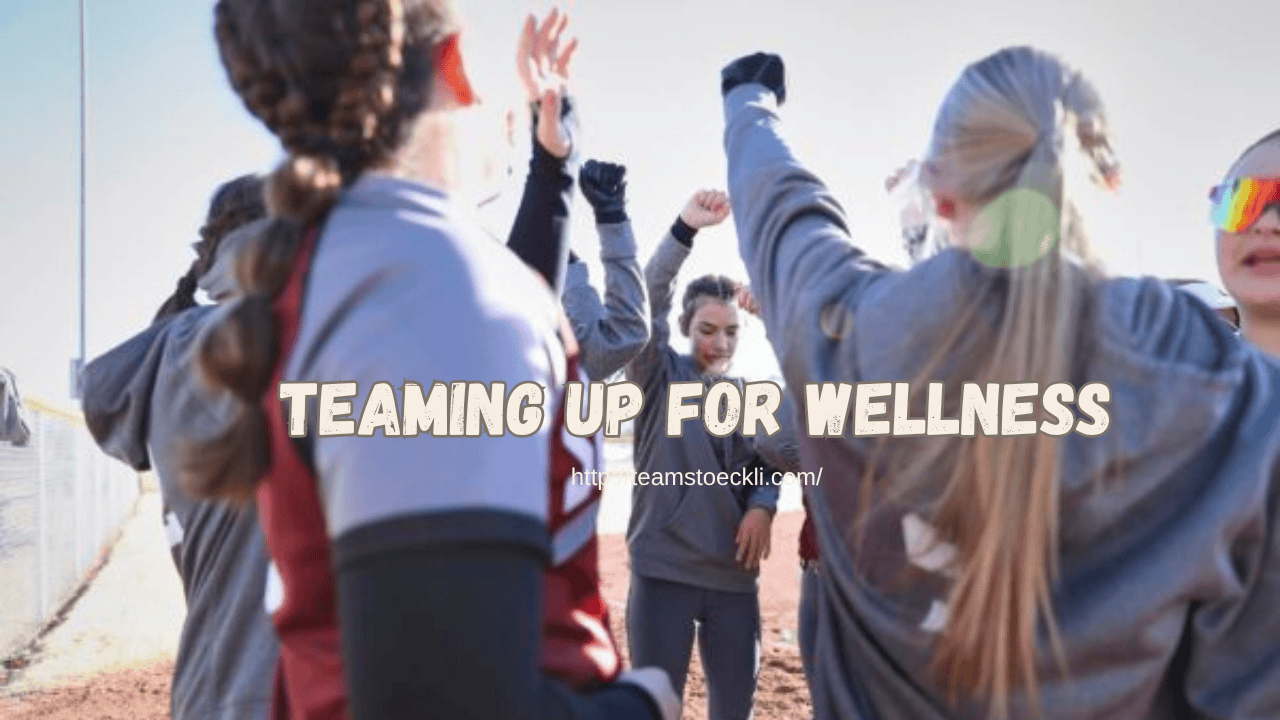
Teaming Up for Wellness: How Coaches and Therapists Can Protect Athletic Minds

Behind every successful athlete stands a dedicated team focused on training, performance, and results. But while physical strength and skill development take center stage, mental health often gets overlooked. Today, more professionals in the sports world are recognizing that true wellness requires a partnership between coaches, therapists, and mental health specialists. At Team Stoeckli, we believe that when coaches and therapists work together, they can help athletes not only perform better but also live healthier, more balanced lives.

The Growing Awareness of Mental Health in Sports

Athletes face pressures that extend far beyond the game. From meeting performance expectations to managing injuries, public scrutiny, and personal sacrifices, the mental toll can be significant. Many athletes are reluctant to admit they are struggling, fearing it could be seen as weakness or a lack of dedication.

In recent years, however, more voices within the sports community have spoken openly about mental health challenges. This shift has made it clear that athletes need emotional and psychological support just as much as physical training. Coaches and therapists can play vital roles in helping athletes develop healthy coping mechanisms, manage stress, and prevent burnout or addiction.

How Coaches Can Support Mental Wellness

Building a Culture of Compassion and Trust

Coaches often have a powerful influence on their athletes. Their leadership style can determine whether an athlete feels supported or pressured. By fostering a team culture that values mental wellness as much as physical performance, coaches can create an environment where it feels safe to ask for help.

This begins with open communication. Coaches who check in regularly about how athletes are feeling, not just how they are performing, can spot early warning signs of mental distress. Encouraging self-care practices such as rest, mindfulness, and recovery days also sends a strong message that mental health matters.

Recognizing the Signs of Struggle

While coaches are not mental health professionals, they can often see when something is wrong. A sudden drop in motivation, increased irritability, isolation, or risky behavior can all indicate deeper emotional issues. Understanding these signs allows coaches to refer athletes to qualified mental health professionals before problems escalate.

The Therapist’s Role in Athlete Recovery and Resilience

Therapists and counselors bring specialized tools to address the unique pressures athletes face. They help clients navigate identity issues, performance anxiety, trauma, and the emotional effects of injury or retirement. At Team Stoeckli, our licensed professionals provide both individual and group therapy tailored to each person’s needs, combining clinical expertise with empathy and care.

A Holistic Approach to Healing

Our approach goes beyond traditional therapy. Team Stoeckli integrates holistic and faith-based elements that address the mind, body, and spirit together. Through mindfulness practices, spiritual guidance, and personalized treatment plans, athletes learn how to regulate emotions, strengthen mental resilience, and reconnect with their purpose both in and out of competition.

The Power of Collaboration: Coaches and Therapists Working Together

When coaches and therapists collaborate, the results can be transformative. Together, they can create comprehensive support systems that help athletes maintain balance, avoid burnout, and recover from setbacks in healthy ways. Communication between both professionals ensures that athletes receive consistent care, combining practical training strategies with emotional support.

This partnership also helps reduce stigma. When athletes see their coaches actively promoting mental health, they are more likely to view therapy as a sign of strength rather than weakness. The message becomes clear: asking for help is part of being a strong, self-aware, and successful athlete.

Moving Toward a Healthier Future in Sports

The future of athletics depends on redefining what it means to be strong. True strength lies not only in physical ability but in mental endurance, emotional balance, and spiritual wellness. By working together, coaches and therapists can protect athletic minds, promote recovery, and help individuals reach their full potential in every area of life.

Take the First Step Toward Healing

If you or someone you care about is struggling with stress, addiction, or mental health challenges, support is available. At Team Stoeckli, we offer compassionate, individualized care that helps athletes and others rebuild from the inside out. Whether through inpatient treatment, outpatient therapy, or holistic recovery programs, our team is here to guide you toward lasting wellness.

Reach out today to begin your journey to healing. Your mental health is your greatest strength—let’s protect it together.

Hidden in Plain Sight: Why Athletes Struggle with Mental Health Issues

Athletes are often celebrated for their strength, endurance, and determination. Their commitment to training and competition inspires millions, creating the image of perfection and resilience. Yet, behind the spotlight and applause, many athletes quietly battle a very different challenge: mental health struggles that are often hidden from public view. At Team Stoeckli, we believe that addressing these unseen battles is essential to helping athletes—and anyone living under constant pressure—achieve true healing and balance.

The Silent Struggles Behind Success

From professional sports to local leagues, athletes face immense pressure to perform. Every game, race, or event carries expectations from coaches, teammates, fans, and even family. While this pressure can drive success, it can also create an emotional burden that becomes difficult to manage.

Many athletes experience anxiety, depression, or burnout but feel compelled to hide their struggles for fear of appearing weak. The stigma around mental health in sports culture often leads them to internalize pain instead of seeking help. Over time, this can lead to serious consequences such as substance misuse, self-doubt, or emotional exhaustion.

The Hidden Link Between Performance and Pain

When Coping Mechanisms Become Dangerous

For some athletes, the constant strain of competition leads to unhealthy coping mechanisms. Painkillers, stimulants, or alcohol can become a way to manage physical pain or emotional distress. Unfortunately, these quick fixes often lead to addiction and make recovery even harder.

At Team Stoeckli, we understand that addiction is rarely the root problem. It is often a symptom of deeper emotional wounds or untreated mental health conditions. Our approach to treatment focuses on uncovering these underlying issues and providing the support needed for sustainable healing.

The Importance of Addressing the Whole Person

Performance in sports is not just about physical strength. Emotional stability, mental clarity, and spiritual balance all play crucial roles in overall wellness. That is why our programs combine mental health treatment, addiction recovery, and holistic care to support athletes from every angle.

Comprehensive Care That Meets Every Need

Inpatient and Outpatient Programs

Every recovery journey is different. Some athletes benefit from inpatient treatment, where they can step away from daily pressures and focus fully on their mental and emotional health. Others prefer outpatient care, which allows them to maintain certain responsibilities while receiving ongoing professional support.

At Team Stoeckli, both options provide personalized care plans built around the individual. We believe that recovery should be flexible, compassionate, and centered on the person’s unique goals.

Holistic and Faith-Based Healing

Healing is not only clinical—it is deeply personal. We offer holistic therapies such as mindfulness, meditation, and wellness coaching that help athletes reconnect with themselves and manage stress more effectively. For those who wish to incorporate faith, our faith-based programs provide spiritual guidance and renewal, helping individuals draw strength from their beliefs.

Breaking the Silence Around Mental Health in Sports

The image of the invincible athlete is slowly changing, but stigma still remains. More and more sports organizations are speaking openly about mental health, proving that vulnerability and strength can coexist. By promoting open conversations and access to treatment, we can help create a culture where mental wellness is seen as just as vital as physical training.

Taking the First Step Toward Healing

If you or someone you know is struggling with mental health challenges, addiction, or the weight of performance pressure, it is important to know that help is available. At Team Stoeckli, we are dedicated to providing individualized care that nurtures mind, body, and spirit.

You do not have to face these struggles alone. Reach out today to begin your journey toward recovery and rediscover what it means to feel whole, balanced, and strong—on and off the field.