 An athlete can be in peak physical condition and still be struggling emotionally. Strength, endurance, speed, and discipline may be visible to everyone watching, but anxiety, depression, burnout, trauma, substance use, and overwhelming pressure can remain hidden. That is why athlete mental health deserves the same attention as physical health. A healthy approach to sports should care for the whole person, not just the body that competes. When athletes receive compassionate, individualized mental health support, they can develop healthier coping skills, protect their well being, and build resilience that extends far beyond the playing field.
Why Physical Strength Is Only Part of the Picture
Athletic training requires dedication. Athletes spend countless hours developing physical skills, recovering from injuries, improving nutrition, and preparing for competition. However, physical preparation alone cannot address every challenge an athlete may face.
Mental health influences concentration, confidence, motivation, decision making, relationships, sleep, and the ability to respond to setbacks. When emotional health begins to suffer, an athlete may notice changes in performance even when their physical conditioning remains strong.
Mental and Physical Health Are Connected
The mind and body constantly influence one another. Persistent stress can interfere with sleep and recovery. Anxiety can make competition feel overwhelming. Depression can reduce motivation and energy. At the same time, injuries, chronic pain, overtraining, and physical limitations can contribute to emotional distress.
Because these areas are connected, mental health should be part of a comprehensive approach to athletic wellness.
Asking for Help Is Not a Sign of Weakness
Sports culture often celebrates toughness. Athletes may be taught to push through discomfort, stay focused, and keep going when circumstances become difficult.
Those qualities can be valuable, but there is an important difference between resilience and ignoring emotional distress.
Seeking professional mental health support demonstrates self awareness. It means an athlete recognizes that something needs attention and is willing to take steps toward better health.
Mental Health Challenges Athletes May Face
Athletes can experience many of the same mental health concerns as anyone else. However, the unique demands of competitive sports can add additional pressure.
Performance Anxiety and Fear of Failure
The desire to perform well can become overwhelming when an athlete begins connecting personal worth to results. Fear of making mistakes, losing playing time, disappointing others, or failing to meet expectations can create persistent anxiety.
Learning to separate identity from performance can help athletes maintain perspective. A difficult game or disappointing season does not define a person’s value.
Professional counseling can also help athletes identify unhealthy thought patterns and develop practical strategies for managing pressure.
Burnout and Emotional Exhaustion
Burnout is more than being tired after a demanding practice. It can develop when physical and emotional demands continue without sufficient recovery.
Warning signs can include persistent fatigue, irritability, reduced motivation, difficulty concentrating, emotional withdrawal, and losing enjoyment in a sport that once felt meaningful.
Recognizing these signs early gives athletes an opportunity to seek support before emotional exhaustion becomes more severe.
Injuries and Loss of Athletic Identity
An injury can affect much more than physical ability. Being unable to train or compete can lead to frustration, isolation, grief, anxiety, and uncertainty about the future.
For an athlete whose identity is closely connected to sports, a serious injury or career transition can feel like a loss of purpose. Mental health treatment can help individuals process those emotions while developing a broader sense of identity and confidence.
The Connection Between Athlete Mental Health and Addiction
Mental health and substance use can also be closely connected. Athletes may experience intense performance pressure, physical pain, injury related stress, trauma, or major career changes. Some individuals may turn to alcohol, prescription medications, or other substances as a way to cope with difficult emotions.
Although substances may appear to provide temporary relief, they do not address the underlying emotional concern. Continued use can create additional problems involving physical health, relationships, athletic performance, and personal stability.
Understanding the Root of Substance Use
Effective addiction recovery involves more than stopping substance use. It also involves understanding the circumstances and emotional patterns that contributed to it.
For an athlete, treatment may explore perfectionism, performance anxiety, unresolved trauma, emotional isolation, injury related stress, or the challenges of transitioning away from competitive sports.
When mental health and substance use concerns are addressed together, individuals have an opportunity to develop healthier coping strategies and create a stronger foundation for long term recovery.
Individualized Mental Health Treatment for Athletes
Every athlete has a different story. One person may be dealing with performance anxiety, while another may be recovering from addiction, depression, trauma, or a significant life transition.
For that reason, treatment should not rely on a single approach for everyone.
Creating a Personalized Care Plan
Individualized treatment considers a person’s experiences, goals, strengths, relationships, and current needs. A client centered approach allows professionals to focus on the individual rather than simply treating a diagnosis.
This can make care more relevant and provide athletes with practical tools they can apply throughout recovery.
Inpatient and Outpatient Care
The appropriate level of treatment depends on an individual’s circumstances.
Inpatient care can provide a structured and supportive environment for people who need intensive assistance with mental health or substance use concerns. Stepping away from everyday pressures can allow individuals to focus more fully on stabilization and recovery.
Outpatient care offers greater flexibility. Athletes may participate in therapy and recovery services while continuing to manage responsibilities such as school, work, family, or other commitments.
Qualified professionals can help determine which level of care is appropriate.
A Holistic Approach to Athlete Well Being
Athletes are more than their physical abilities. They have emotional, relational, social, and spiritual needs that can influence their overall health.
A holistic approach recognizes these connections. Professional therapy can be supported by healthy routines, stress management, mindfulness, nutrition, restorative sleep, meaningful relationships, and other wellness practices.
Caring for Mind, Body, and Spirit
Long term wellness requires more than managing symptoms. Athletes can benefit from learning how to recognize emotional needs, establish healthy boundaries, manage stress, and reconnect with personal values.
For individuals who value spirituality, faith based support can provide another source of hope and encouragement. When integrated appropriately with professional mental health and addiction treatment, spiritual care can help individuals explore purpose, forgiveness, resilience, and personal growth.
Practical Ways to Protect Athlete Mental Health
Mental health care should not begin only when an athlete reaches a crisis point. Small, consistent steps can help protect emotional wellness throughout an athletic career.
Make Mental Health Check Ins Routine
Athletes can benefit from regular conversations about emotional health. Speaking with a qualified professional can make it easier to identify concerns before they become overwhelming.
Mental health check ins should be treated as part of overall wellness, just like physical recovery and injury prevention.
Develop Healthy Coping Skills
Healthy coping strategies can provide alternatives to avoidance or substance use. Mindfulness, journaling, prayer, breathing exercises, relaxation techniques, healthy sleep habits, and balanced routines can help athletes respond to stress more effectively.
Build a Trusted Support Network
Athletes need people they can speak with honestly. Coaches, teammates, family members, mentors, and mental health professionals can all provide valuable support.
A strong support system can also make it easier to recognize when additional professional care may be necessary.
Pay Attention to Warning Signs
Persistent sadness, anxiety, isolation, substance use, major changes in behavior, loss of motivation, or difficulty functioning should not simply be dismissed as part of athletic life.
Early intervention can make it easier to address mental health concerns before they begin affecting relationships, recovery, performance, and quality of life.
Mental Health Support Benefits Athletes Beyond Sports
Protecting athlete mental health is not only about improving performance. It is about preparing individuals for life.
Every athletic career eventually changes. Seasons end. Teams change. Injuries happen. Goals evolve. Some athletes eventually retire or transition into completely different careers.
An athlete who develops emotional resilience, healthy coping skills, supportive relationships, and a strong sense of identity can be better prepared for these changes.
Mental health treatment can help athletes understand that their value is not determined by a scoreboard, statistics, physical ability, or public recognition.
Conclusion: True Strength Includes Emotional Wellness
Physical strength is valuable, but it is not enough to create lasting health. Athletes deserve support for the emotional challenges that can exist behind even the strongest performance.
Mental health treatment, addiction recovery services, inpatient and outpatient care, holistic approaches, and faith based support can provide athletes with personalized resources for healing. Most importantly, compassionate care creates an opportunity to address the whole person rather than focusing only on physical symptoms or athletic performance.
If you or someone you care about is struggling with mental health or substance use, reaching out for professional support can be an important first step. There is no need to wait for a crisis before asking for help.
A healthier athlete is not simply one who can train harder or compete longer. A healthier athlete is someone who has the emotional support, coping skills, and confidence to navigate challenges both in sports and in life. Protecting mental health is not separate from strength. It is part of what makes lasting strength possible.


 Athletes understand the importance of taking care of their bodies. They follow demanding training schedules, work with coaches, monitor nutrition, and dedicate countless hours to improving strength and endurance. Yet physical fitness is only one part of lasting athletic health. An athlete can be in excellent physical condition while struggling with anxiety, depression, burnout, trauma, substance use, or overwhelming pressure. Mental health care gives athletes the opportunity to address those challenges before they begin affecting performance, relationships, recovery, and quality of life. A healthier athlete is not simply stronger or faster. A healthier athlete has the emotional tools, support, and confidence needed to navigate both competition and life.
 Athletes spend countless hours building stronger bodies, improving endurance, and refining their skills to compete at the highest level. While physical conditioning is essential, true athletic success depends on something equally important that often receives far less attention: mental health. Confidence, emotional resilience, focus, and healthy coping skills all influence how athletes perform, recover, and navigate life’s challenges. When emotional well-being is overlooked, athletes become more vulnerable to anxiety, depression, burnout, and even substance use. Prioritizing mental health support is not only beneficial for athletic performance, but it is also essential for long term wellness, recovery, and personal growth.
 Every athlete dreams of reaching peak performance. Hours of training, disciplined nutrition, and relentless determination are all part of pursuing excellence. However, true success extends beyond physical conditioning and athletic achievement. Emotional health is equally important, yet it is often overlooked in competitive sports. Many athletes silently struggle with anxiety, depression, burnout, trauma, or substance use while continuing to perform at an elite level. Without proper support, these challenges can affect not only athletic performance but also long term health and quality of life. Prioritizing mental health and emotional recovery allows athletes to build resilience, strengthen relationships, and create a healthier future both during and after their athletic careers.
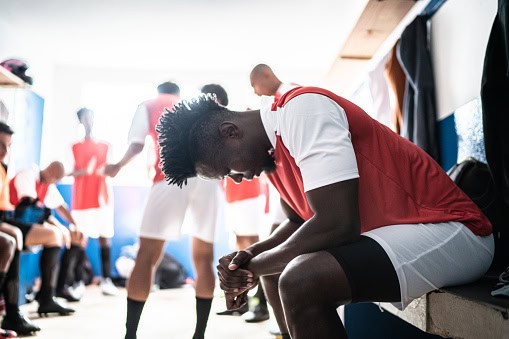
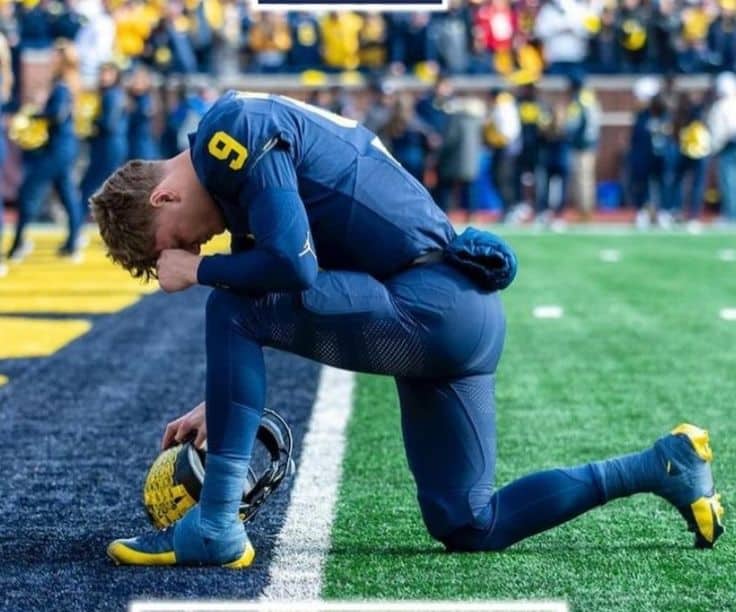 Athletes are often admired for their discipline, resilience, and ability to perform under pressure. Their dedication to training and competition inspires others to push beyond their limits. Yet behind the victories, personal records, and public recognition, many athletes quietly battle challenges that are far less visible. Anxiety, depression, burnout, trauma, and substance use can affect athletes at every level, regardless of talent or success. While physical injuries are usually treated with urgency, emotional health often remains overlooked. Recognizing the importance of mental health and recovery support is essential for helping athletes achieve lasting wellness both during and after their athletic careers.
 Athletes dedicate countless hours to building physical strength, improving endurance, and mastering their skills. They train relentlessly to compete at their highest level, often pushing their bodies to extraordinary limits. Yet athletic success depends on far more than physical ability alone. Emotional health plays a critical role in performance, recovery, relationships, and overall well-being. When anxiety, depression, chronic stress, or substance use are left unaddressed, even the strongest athletes can struggle both on and off the field. Recognizing the emotional health needs of athletes is essential for promoting lasting wellness and creating a healthier path toward recovery.
 Athletic achievement is often measured by statistics, championships, and personal records. While these accomplishments reflect dedication and physical ability, they do not tell the whole story. Behind every athlete is a person navigating pressure, expectations, setbacks, and emotional challenges that can affect every aspect of life. Mental health is just as important as physical conditioning, yet it is frequently overlooked in competitive sports. When athletes receive the emotional support they need, they are better equipped to perform, recover, and build healthier lives both on and off the field.